TL;DR
Professional event production is the hidden system that makes a live event feel seamless. It combines pre-production planning, technical design, acoustic clarity, power resilience, RF coordination, show calling, crew communication and live contingency, so the audience experiences comfort, clarity and confidence without seeing the work behind it.
Nobody books an event production team because they want more cables, screens or crew radios. They book one because they want the event to feel under control.
That is the quiet value of professional event production. It is not only about what appears on stage. It is about all the small moments that decide whether people trust the room: the speaker walking on without hesitation, the microphone working correctly from the start, the screen changing at the right second, the audience moving easily, and the organiser not having to solve problems in public.
Most guests will never know why the event feels smooth. They will not ask who checked the sound, who planned the backup, who cued the lighting, or who kept the next presenter ready backstage.
They will simply feel that someone is in control.
This blog explains the hidden layer behind that feeling and why professional event production gives you more than AV hire. In simple terms, the audience notices the show.
What is professional event production?
Professional event production is the planning, technical design, crew coordination and live show control that make an event run smoothly from load-in to derig.
It is the engineered system beneath the visible show. The audience sees the speaker, screen, lighting and stage. The production team manages the acoustic clarity, signal flow, power resilience, RF coordination, cue timing, presenter support, crew communications, and contingency behind it.
| What the Audience Sees | What the Production Team Manages | Why It Matters |
| A lit, well-framed stage | Lighting levels, camera exposure and colour balance. | The speaker looks professional in the room and on camera. |
| Clear speech | Microphone choice, speaker placement and room reflections. | The audience can listen without strain. |
| Slides and videos play on time | Playback systems, signal flow, vision mixer cues and backup inputs. | The message lands without technical pauses. |
| A confident presenter | Confidence monitor, notes, countdown timer and stage support. | The speaker stays focused on the audience. |
| Smooth transitions | Warning, Standby and GO cue discipline. | The show feels deliberate, not improvised. |
| Comfortable audience movement | Arrival flow, signage, queuing and clear routes. | Guests feel guided, not confused. |
This is the iceberg model of event production. The visible tip is the show. The invisible base is the system that makes the show feel safe, clear and premium.
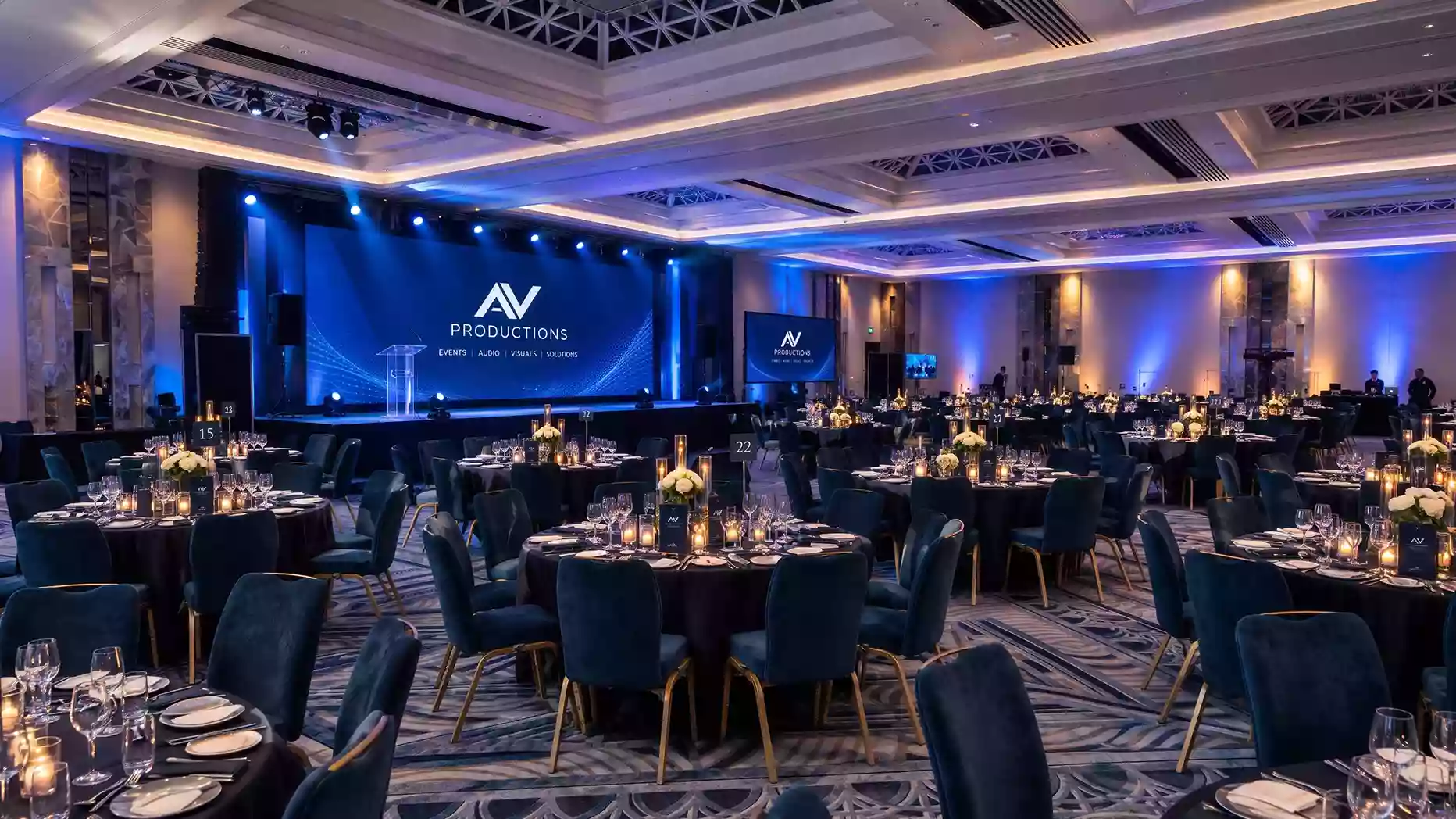
AV Productions brings this layer into conferences, AGMs, awards ceremonies, product launches, hybrid events and corporate productions where timing, clarity and confidence matter.
Why professional event production feels invisible when it works
Professional event production feels invisible because its main job is to prevent problems before the audience notices them.
A successful event is often measured by absence. No awkward silence. No microphone dropout. No flickering screen. No queue is blocking the room entrance. The audience may never know what was prevented, but they will feel the difference.
This is where production becomes more than equipment. A production team thinks about the whole event journey:
1. Before the event
Pre-production, site checks, load-in planning, speaker briefings, content checks and technical rehearsals reduce friction before guests arrive.
2. During the event
Show calling, audio mixing, video switching, lighting cues, comms and backup plans keep the live experience controlled.
3. After the event
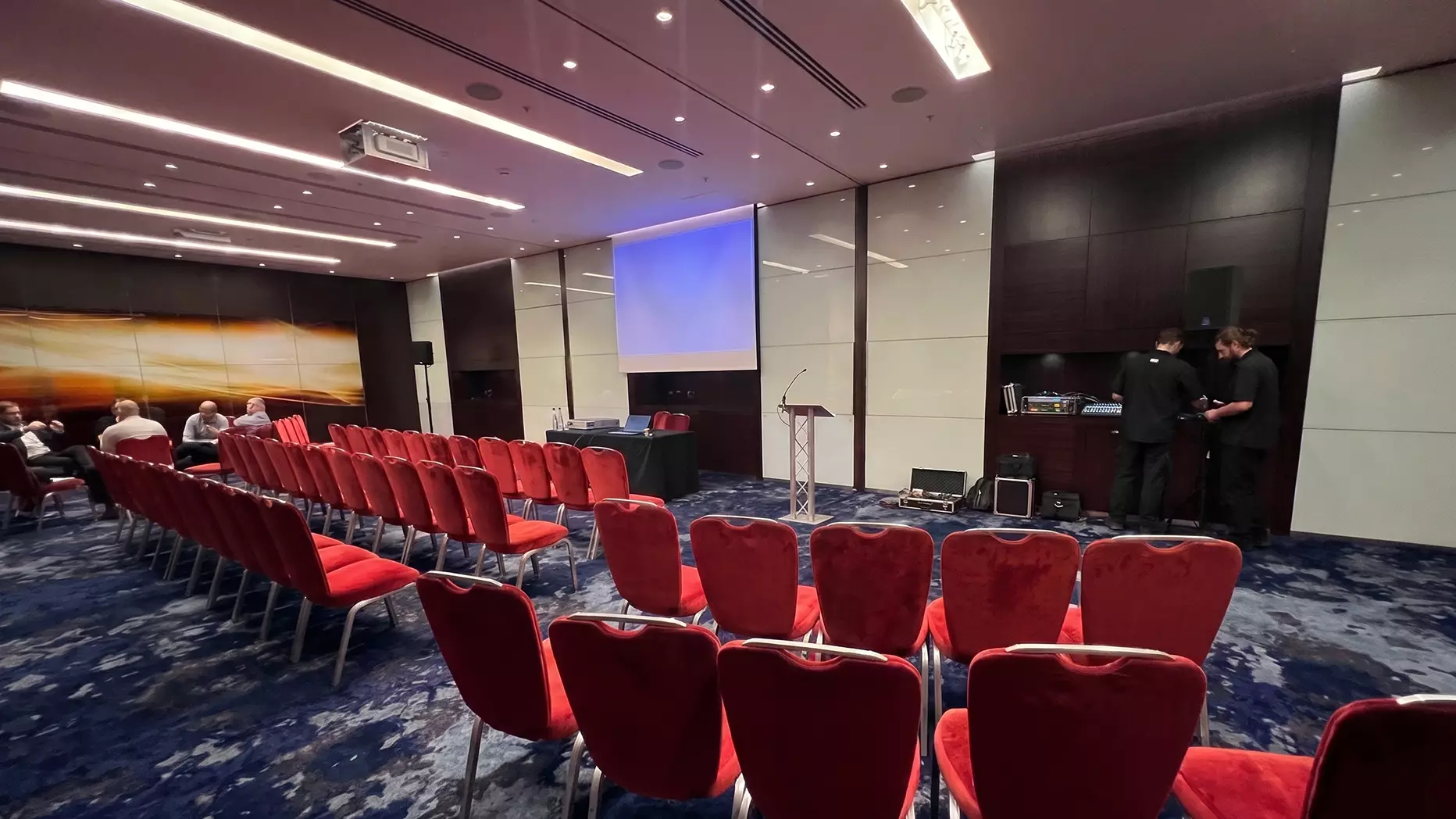
Derig, recording handover, venue clearance, and post-event content support close the project cleanly. For London venues with tight access, shared loading bays or strict derig times, AV Productions plans the production route before show day so the live event is not left to chance.
The same thinking applies to creative work. When a stage uses large-format visuals, the team should check sightlines, content format, playback routes and audience visibility while designing stage backdrops with LED screens and projection, not after the room is full. In simple terms, the audience notices the show. The client feels the system.
How the event production process protects the live show
The event production process protects the live show by turning ideas, timings, content and technical risks into a clear operating plan.
A professional team does not start with a kit list. It starts with the purpose of the event. Who is speaking? What needs to happen on screen? How important is timing? Will there be remote guests? Is the show recorded or streamed? What happens if a laptop, microphone or internet connection fails?
An event production process includes:
| Briefing | Confirm the event goal, audience, format, agenda and non-negotiables. |
| Pre-production | Build the run-of-show, technical plan, crew schedule and equipment scope. |
| Technical design | Plan audio, video, lighting, staging, power and comms as one system. |
| Venue coordination | Check access, loading, rigging, power, sound limits, room layout and safety requirements. |
| Content checks | Test slides, videos, walk-on music, sponsor content and remote feeds. |
| Technical rehearsal | Run speaker entrances, cues, transitions, timing and show flow. |
| Live operation and derig | Deliver the show, manage issues quickly and clear the venue correctly. |
What does an event production company actually prevent?
An event production company prevents the small failures that damage audience trust: unclear microphones, late slides, awkward walk-ons, dead screens, confused speakers, poor room flow, slow technical recovery and avoidable overruns.
The room matters as much as the equipment, which is why speaker placement and acoustics for business venues should be considered before show day.
The technical reality: sound, power and RF
The technical reality behind professional event production is simple: clear sound, stable power and reliable wireless systems decide whether the event feels polished or fragile.
- Acoustic intelligibility
Corporate events need speech clarity before volume. A keynote, panel or AGM is not judged by how loud it is. It is judged by how easily people can understand every word.
Poor speech intelligibility forces the audience to work harder. In a reflective room with glass, concrete, high ceilings or noisy ventilation, speech can become tiring even when the content is strong. That is why engineers think about microphone proximity, speaker placement and reflected sound before the room opens.
A PA system is the main loudspeaker and amplification setup. The front-of-house mix is the live audio blend the audience hears. Foldback is the sound a presenter or performer hears on stage.
- Power resilience
Power resilience protects the moments that cannot fail.
A standard event may cope with a small delay. A live keynote, product reveal, award announcement or hybrid broadcast usually cannot. If a processor, laptop, screen or audio desk loses power at the wrong moment, the audience sees the failure immediately.
Production teams reduce that risk through safe power distribution, an uninterruptible power supply (UPS) for key systems, backup playback routes and sensible load planning. Where required, a double-conversion UPS converts incoming AC power to DC and back to AC to provide a stable supply for sensitive equipment.
The organiser does not need to understand every electrical detail. They do need a team that knows which parts of the show need protection.
- RF coordination
Radio frequency (RF) coordination protects wireless microphones, in-ear systems and comms from dropouts.
Wireless systems share a crowded radio environment. When several microphones, intercoms, cameras or nearby venue systems compete for clean spectrum, poor coordination can cause crackles, dropouts or total signal loss.
Professional RF planning checks frequencies, separates channels and leaves room for last-minute changes. This matters most when multiple rooms, roaming microphones, panel discussions or hybrid setups are involved. RF interference can sound like equipment failure. Frequency coordination helps reduce that risk.
The crew layer: warning, standby and GO
The crew layer keeps a live event moving as one coordinated system.
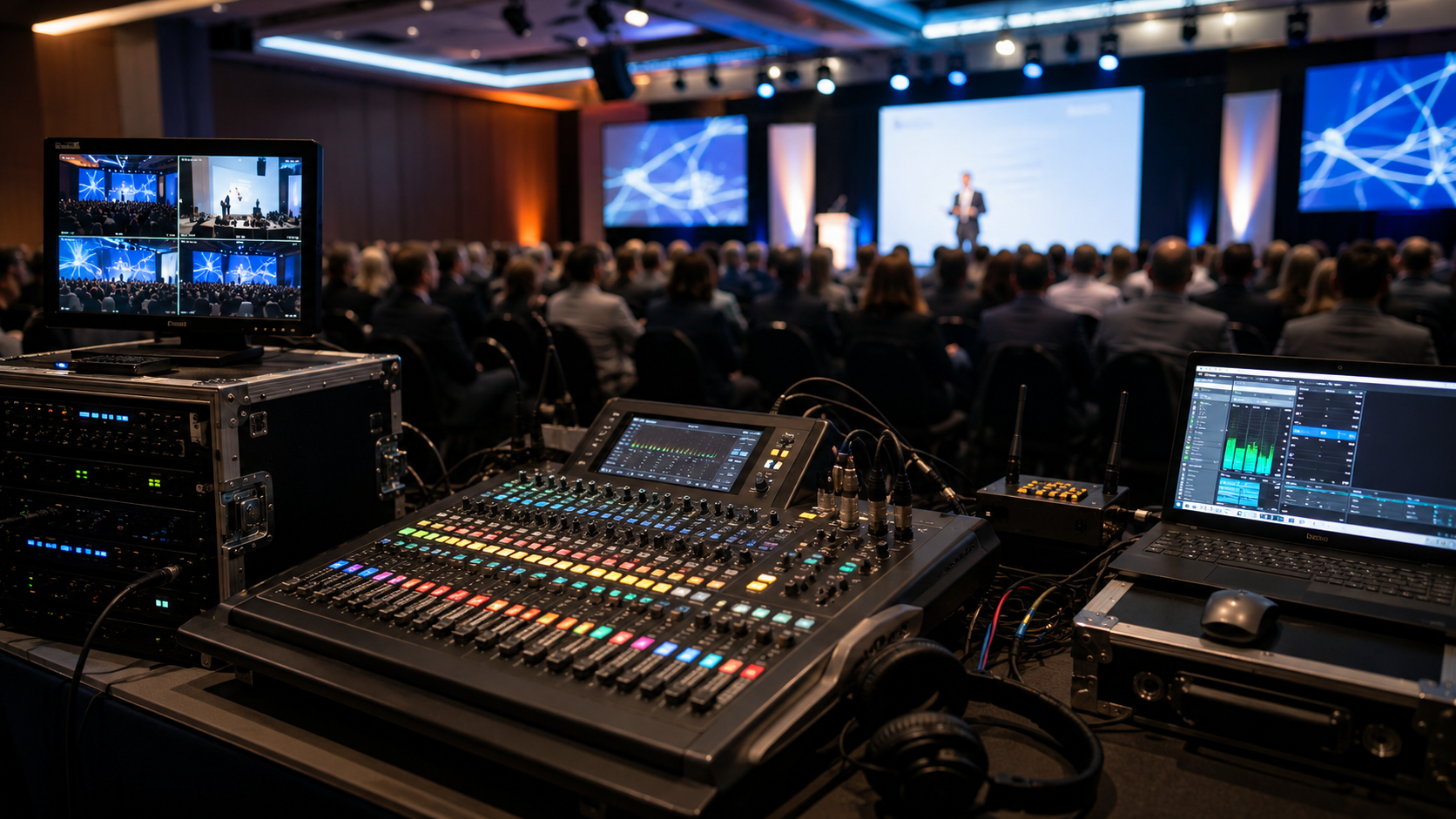
Behind every smooth transition is usually a show caller, stage manager, technicians and operators working through a shared run-of-show. The audience may only see a speaker walk on stage. Backstage, the crew may be managing lighting, music, video playback, microphones, camera cues and stage movement at the same time.
A cue sequence can include three stages
- Warning, where needed: The show caller gives advance notice: “Warning, lighting cue 15.”
- Standby: The show caller says, “Standby, lighting cue 15.” The operator replies, “Standing by.”
- GO: The show caller says, “Lighting cue 15… GO.” The operator executes the cue.
That discipline matters. It keeps comms clear, prevents confusion and gives every department the same timing point.
For sensitive moments, cue lights may replace voice. A standby light prepares the operator. A green light triggers the action. The audience never hears the call, but they see the result.
The difference depends on the agreed scope. Equipment-only hire supplies the kit; production support adds coordinated planning and live show control.
The presenter’s view: monitors and speaker control
A confidence monitor helps a presenter stay connected to the audience without turning, squinting or checking their watch.
A downstage monitor, often called a DSM, is placed low at the front of the stage and angled towards the speaker. The audience usually cannot see it. The presenter can.
A strong DSM setup answers three questions for the speaker:
- Where am I in the presentation?
- What comes next?
- How much time do I have left?
A typical view may show the current slide, the next slide and a countdown timer. For scripted presentations, notes may be shown in large, clear text. The aim is not to make the speaker dependent on technology. The aim is to reduce cognitive load, so they can focus on delivery.
Countdown timers are especially useful. Instead of someone waving from the wings, the timer quietly guides pacing. Green can indicate a comfortable time remaining. Amber can suggest the final section. Red can signal that the speaker needs to close.
This support helps the presenter stay focused on the audience. They simply experience a presenter who looks calm, prepared and in control.
Professional event production vs equipment-only AV hire
Professional event production is different from AV hire because it manages the live experience, not just the equipment. AV hire answers the question: “What equipment do we need?” Event production answers the bigger question: “How will this event run without visible problems?”
| Equipment-only AV hire | Professional Event Production |
| Supplies microphones, screens, speakers or lighting | Designs the full technical system. |
| May include delivery and setup | Includes planning, rehearsal, crew roles and show control. |
| Focuses on individual items | Connects audio, video, lighting, staging and timing. |
| Leaves live troubleshooting to the organiser unless support is booked | Builds contingency before show day. |
| Suits simple meetings | Supports conferences, AGMs, awards, launches and hybrid events. |
AV hire can be enough for a simple meeting. But once the event involves multiple speakers, live cues, stage transitions, video playback, streaming, sponsor content or brand-critical moments, production support becomes the safer choice.
AV Productions is an MIA member, and the Meetings Industry Association is a useful reference point for the UK meetings and events industry. Membership does not replace due diligence, but it does give planners another trust signal when comparing suppliers. AV hire gives you tools.
How to choose the right professional event production team
The right professional event production team should ask detailed questions before recommending equipment.
Be cautious if the first conversation jumps straight to screens, speakers and lighting. A good production partner will want to understand the event first.
Look for a team that asks about:
- Event goals and audience expectations.
- Venue layout, access and restrictions.
- Speaker numbers and presentation style.
- Run-of-show timings and cue points.
- Video, slides, sponsor content and playback.
- Streaming, recording or hybrid requirements.
- Backup plans for microphones, laptops, power and internet.
- Crew roles, rehearsals and live show control.
The best production team is not always the one with the biggest kit list. It is the team that can explain how the event will run, where the risks are and how those risks will be managed.
For planners, that means fewer surprises. The presenter knows where to stand. The panel knows how Q&A will work. The show caller knows the next cue. The technician knows the backup route. The client knows who is in control.
The layer that lets the event breathe
A high-quality event is not only created by what the audience can see. It is created by the system underneath: the planning, technical design, rehearsal, contingency and crew discipline that keep the room calm.
That is the invisible layer. When it works, the event feels effortless. When it is missing, every small weakness becomes public.
Talk to AV Productions about professional event production for your next London conference, AGM, awards night, product launch or hybrid event. With 25+ years’ experience and 11,000+ events supported, our team can manage AV hire, lighting, sound, staging and live technical production. Call 0207 177 3405 to request a no-obligation quote.
FAQs
Why hire a professional event production company?
You hire a professional event production company when the event needs more than equipment delivery. A specialist team plans the technical flow, manages crew roles, checks venue limits, coordinates rehearsals and prepares backups. This reduces pressure on the organiser and protects important moments from avoidable disruption.
What’s included in event production services?
Event production services can include technical planning, AV hire, sound, lighting, staging, LED screens, projection, live streaming, speaker support, show calling, stage management, comms, rehearsal support, load-in and derig. The exact scope depends on the venue, agenda, audience size, content and complexity of the event.
How long does event production planning take?
Event production planning can take days, weeks or months depending on the event. A simple seminar may need a short planning window, while a conference, awards show, or product launch often needs earlier coordination. Venue restrictions, speaker numbers, content deadlines and hybrid requirements all affect the timeline.
What’s the difference between AV hire and event production?
AV hire provides the equipment needed for an event, such as microphones, screens, lighting and speakers. Event production plans how that equipment works as part of a live show. It includes technical design, crew coordination, rehearsals, cueing, contingency and live operation, not just the supply of kit.