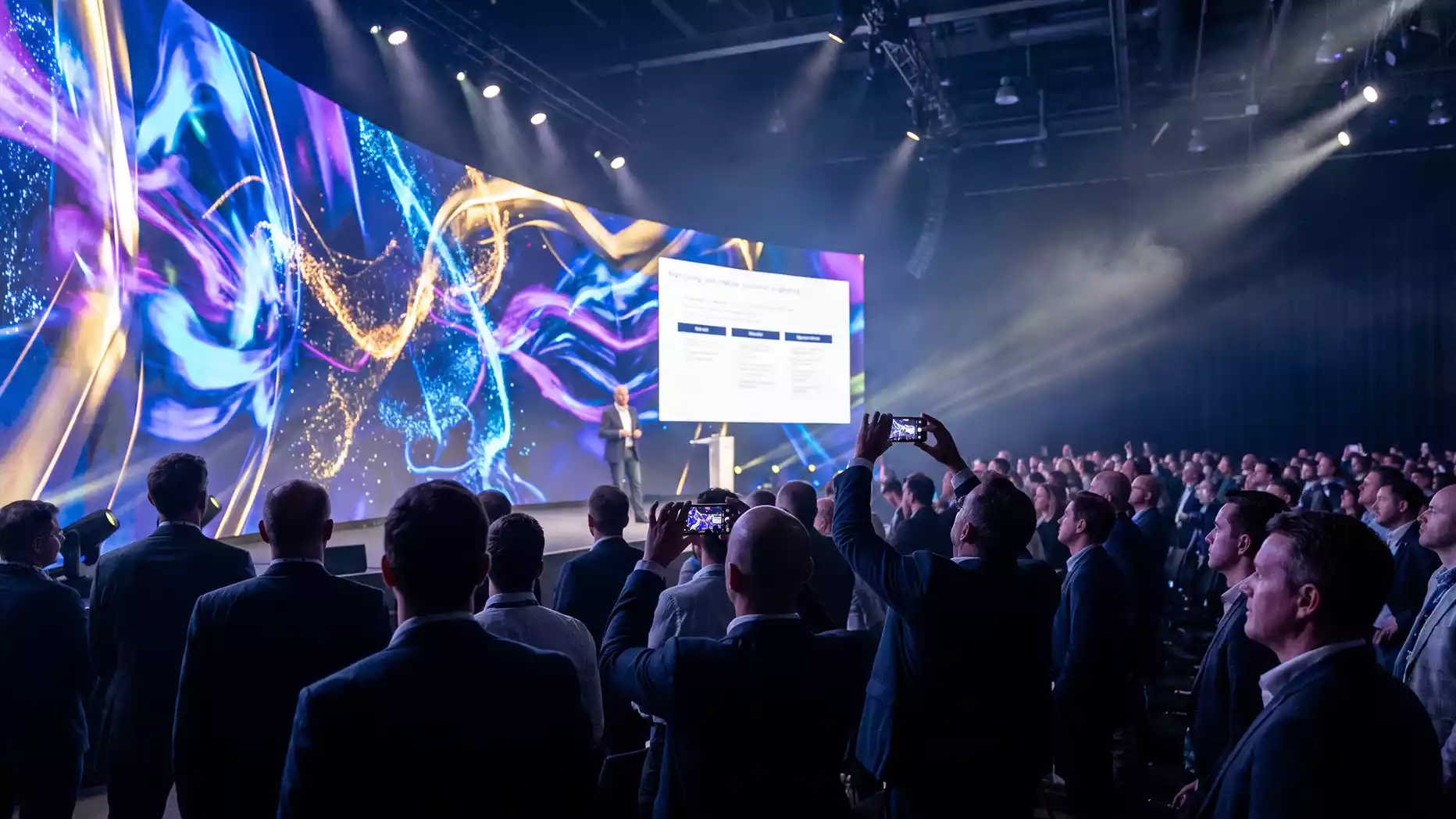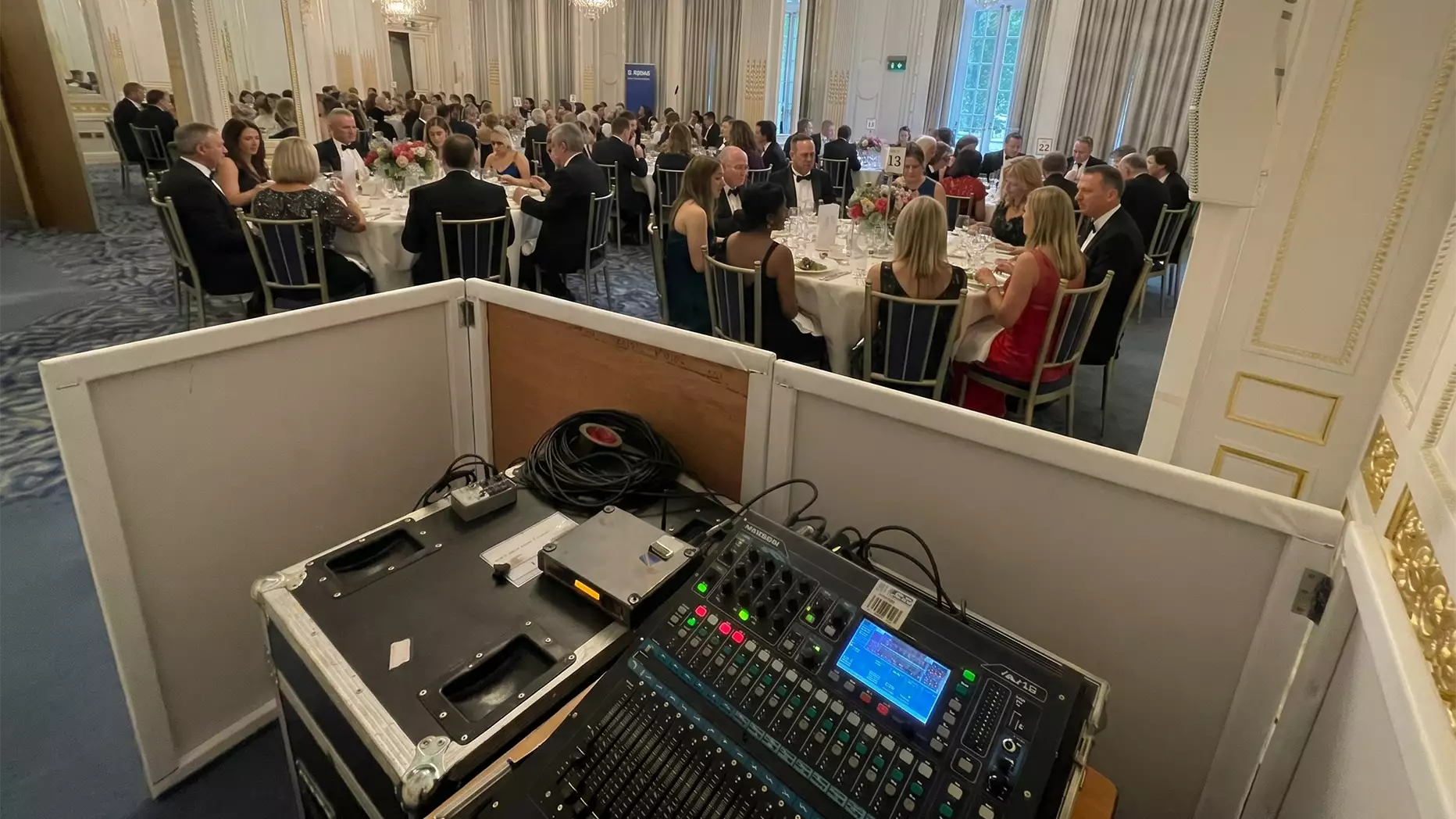
Yes, renting the right speakers for events is one of the quickest ways to make sure people can actually hear you in a noisy room. The right setup keeps your voice clear, helps your demos land properly, and saves you from spending the day repeating yourself.
And honestly, that matters more than most people think. Exhibition halls are loud, corporate venues can be echoey, and the moment your sound feels weak or messy, people drift. Even if your stand looks great.
So, always match the PA system to your space, keep the setup simple, and focus on speech clarity first. Get that right, and you’ll sound confident, professional, and easy to listen to, which is exactly what you want when you’re trying to win attention.
Now, let’s get into how to choose the right PA setup without overbuying or overcomplicating it.
Start with the space, not the gear
One of the most useful tips when hiring a PA system for a business event is to think about the venue before the equipment.
A small exhibition stand does not need the same setup as a conference room, a product launch venue, or an open-plan event hall. The right system depends on how far the sound needs to travel, how noisy the space will be, and whether you need coverage for a small group or a moving crowd. Shure’s conference audio guidance and Yamaha’s PA setup guides both point back to the same principle: choose equipment based on the room and the real application, not guesswork.
Prioritise speech clarity
At most exhibitions and corporate events, people are not there for booming sound. They are there to understand what is being said.
That means speech clarity should come first. Yamaha’s PA guidance notes that clarity depends on how sound is balanced and delivered, while Shure’s meeting and conference materials also stress matching microphones and audio systems to the speaking environment. In simple terms, louder is not always better. Clearer is better.
Keep the setup practical
Good event audio should feel easy.
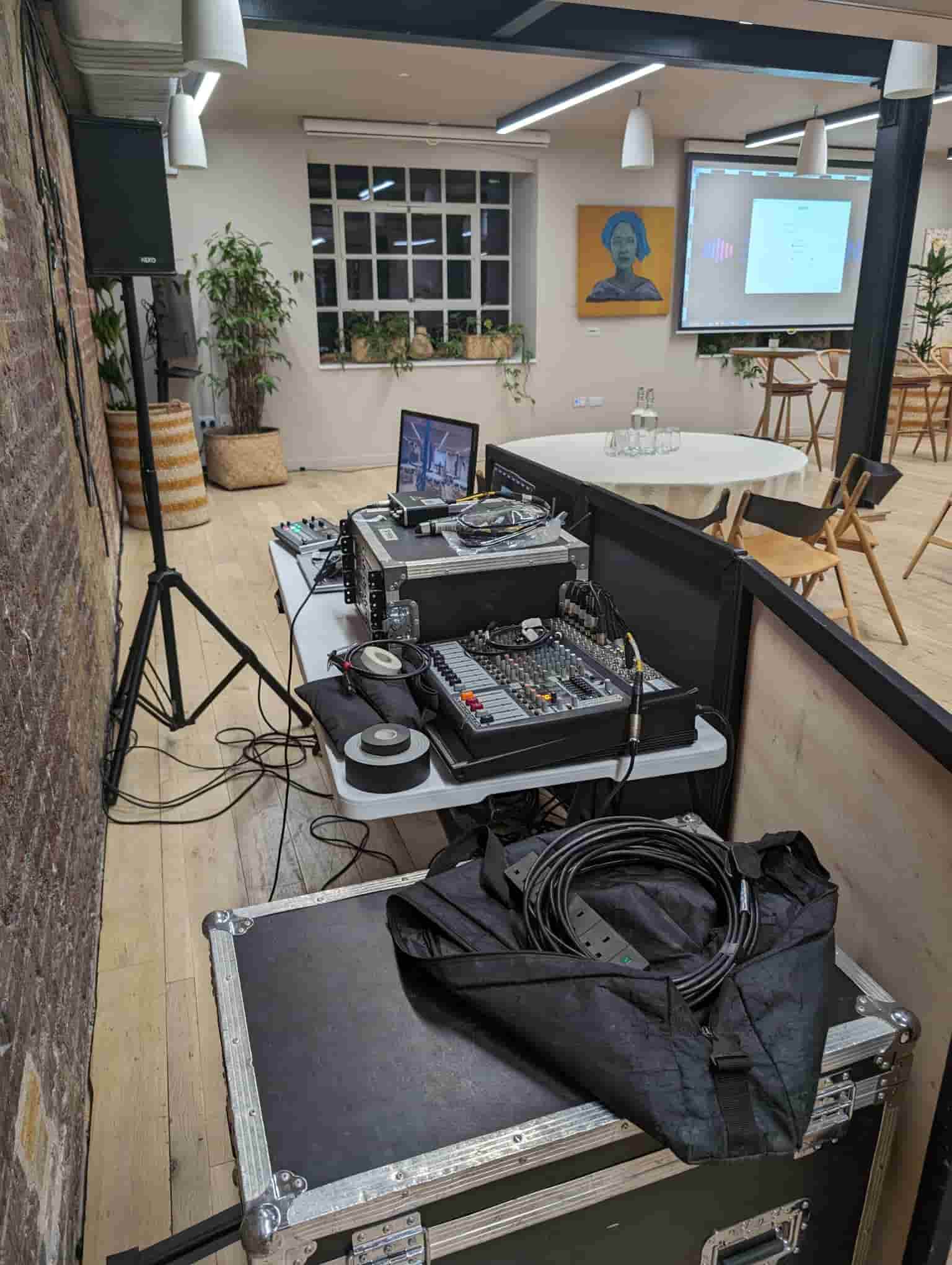
For most business events, a practical setup may include:
- Speakers suited to the room size.
- One or two microphones.
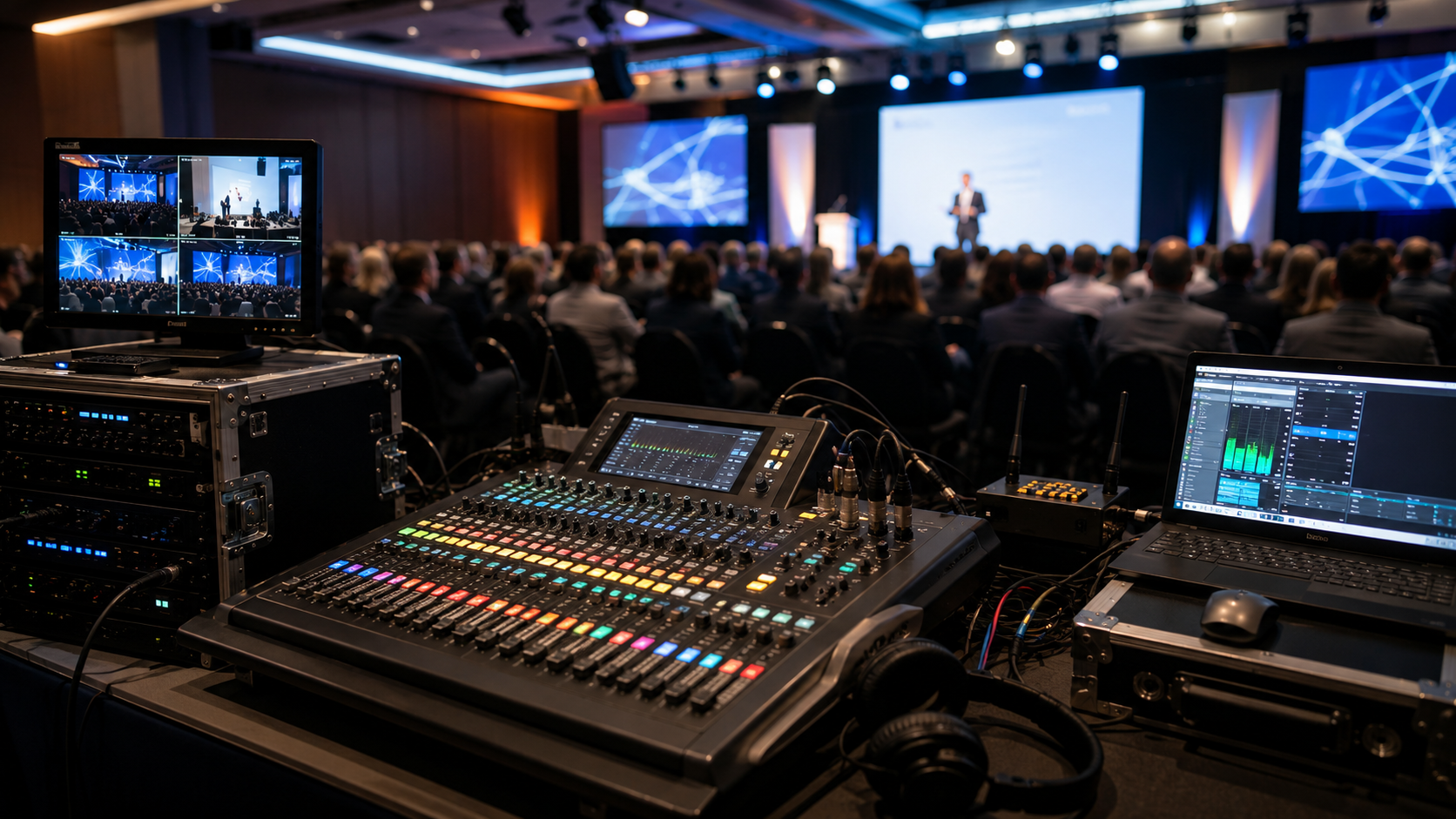
- A simple mixer if you need both speech and background music.
- Stands, cables, and support for fast setup.
Avoid overcomplicating the system. If your team needs something quick, reliable, and easy to operate, ask for a setup that matches the event rather than a larger system than you actually need. Yamaha’s application guides are built around this exact idea: using only the equipment needed for the intended use case.
Choose the right microphone for the format
Microphones matter just as much as speakers.
A handheld mic may work well for announcements. A headset or clip-on mic can be better for live demos or presenters who need both hands free. Shure’s guidance for meetings and wireless microphone selection shows that microphone choice should depend on the room, movement, and how the presenter will actually use it.
Do not leave support as an afterthought
A reliable hire company should do more than simply drop off equipment. For exhibitions and corporate events, technical support can save time, reduce stress, and help avoid last-minute sound issues. This matters even more when your event includes live presentations, timed announcements, or important client-facing moments. The best setup is not only about equipment quality but also about making sure it works smoothly on the day.
Renting often makes more sense than buying
If your business only needs event audio occasionally, renting is usually the smarter choice.
It gives you flexibility, access to the right equipment, and the chance to get a setup tailored to each event. For businesses attending exhibitions, hosting presentations, or running occasional corporate functions, it is often more useful than owning equipment that may not suit every venue or audience size. Yamaha’s PA application material also reflects that different event types need different configurations, which supports a rental-first approach for changing requirements.
Final takeaway
When you hire speakers for events, the goal is not simply to make noise. It is to make your message easy to hear, easy to follow, and easy to remember.
The best results usually come from keeping things simple, matching the setup to the space, and focusing on clarity over volume. If you want dependable sound at a busy event, those are the tips worth following when hiring a PA system.
FAQs
What should I check before hiring a PA system for an event?
Start with the venue size, audience noise level, and whether you need the system mainly for speech, music, or both. Those factors shape the right setup.
Are microphones included in most PA setups?
They can be, but that depends on the hire package. It is best to confirm whether you need handheld, lapel, or headset microphones for your event format. Shure’s guidance shows mic choice should match the speaker’s movement and room setup.
Is renting better than buying for occasional events?
For many businesses, yes. Renting gives more flexibility and lets you use equipment suited to each event instead of relying on one fixed setup.