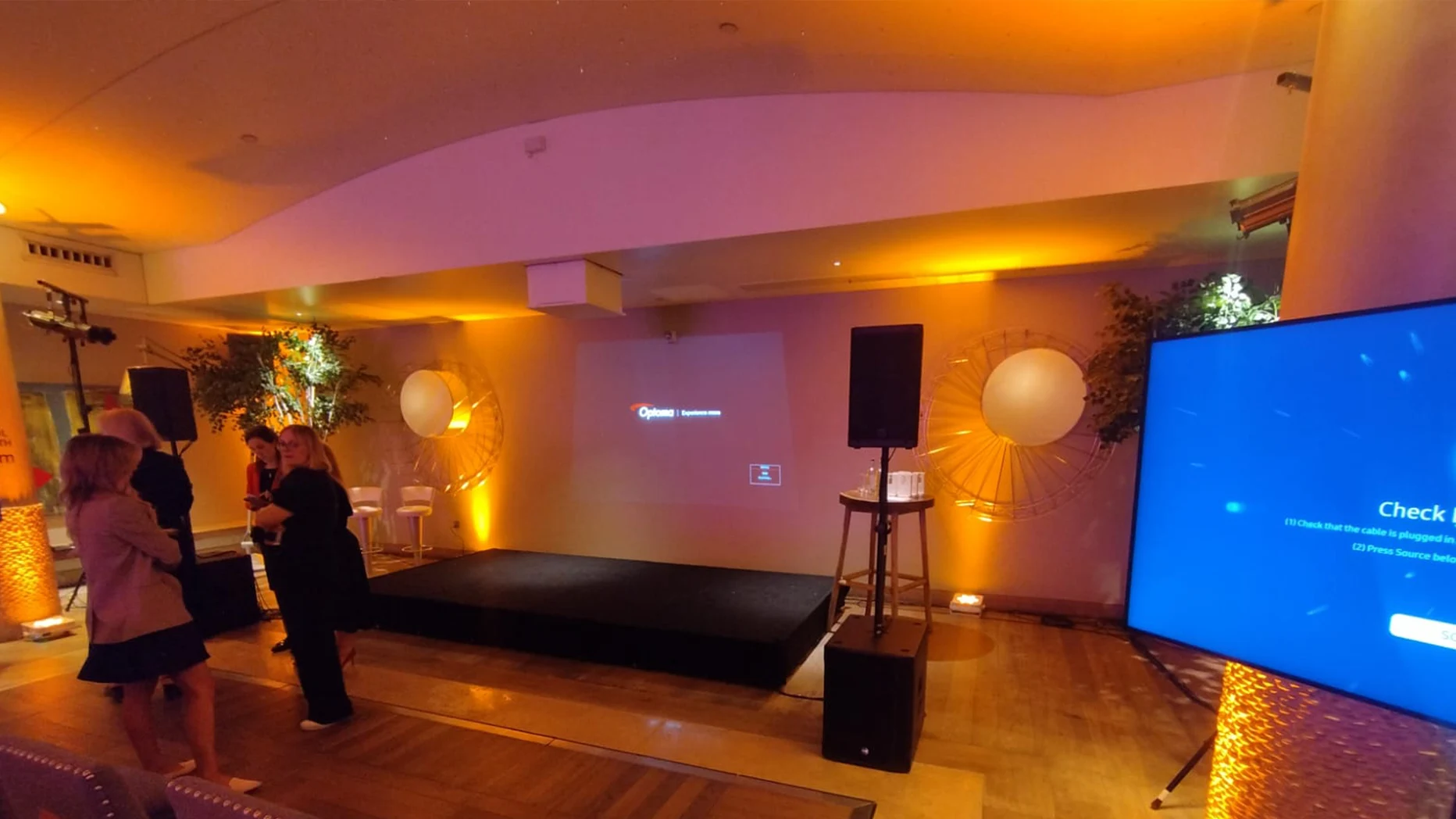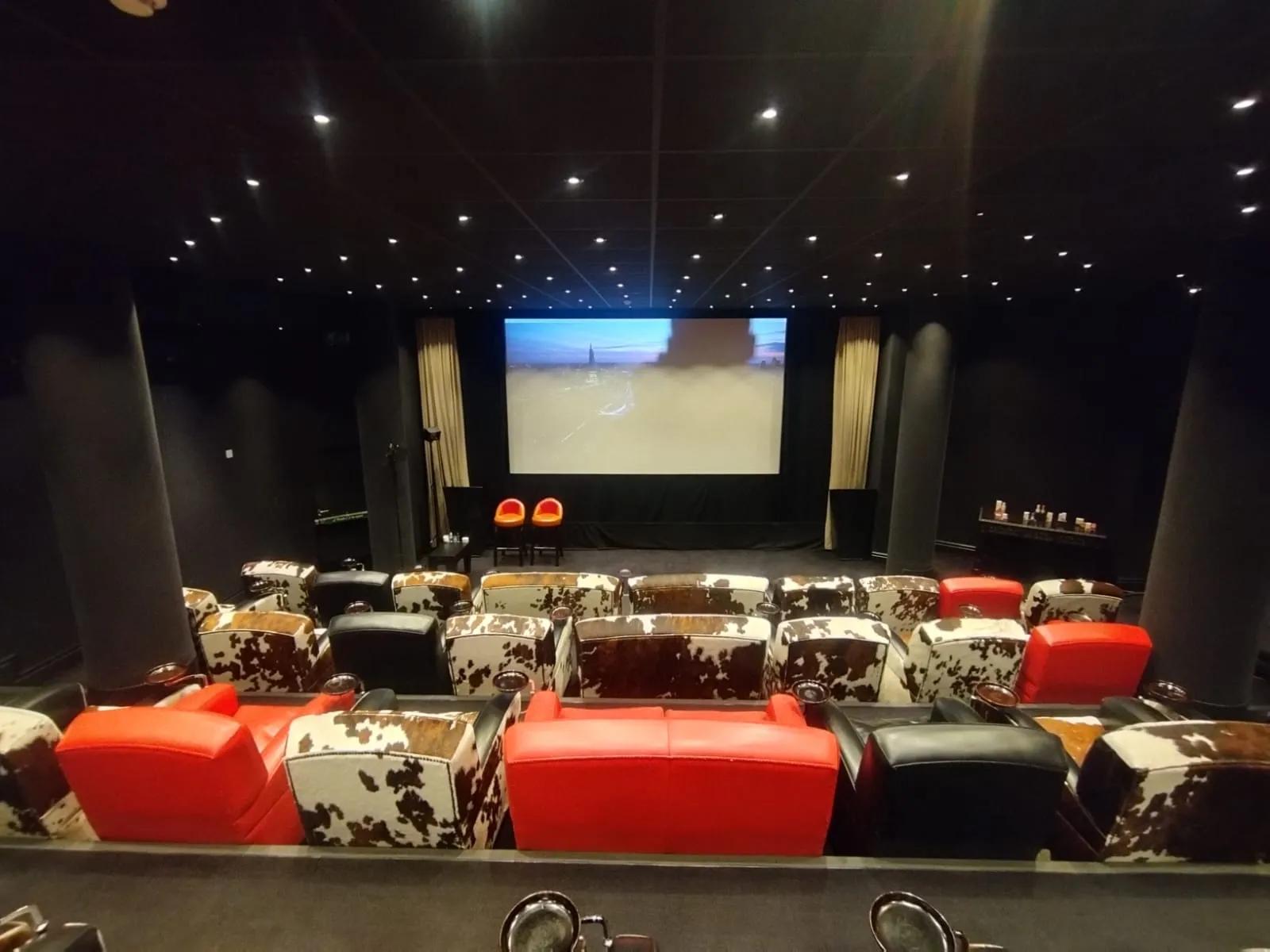
To plan a successful awards ceremony, start by getting clear on why you’re doing it and who it’s for. Then build a realistic 6–12 month timeline, set a proper budget (including AV and staging, not just food and trophies), and choose a format and venue that support your goals. Design meaningful categories and a fair judging process, then build a smooth run of show with a strong host, clean sound, and simple but consistent theming. Work with an AV partner to handle sound, lighting, screens and rehearsals so you can focus on guests and content. Finally, follow up with highlights and feedback so the event becomes a repeatable success.
Planning an awards night sounds fun… until you open a blank spreadsheet and realise you’ve got to juggle budget, venue, AV, trophies, host, scripts, run sheet, and 100 tiny details.
This guide shows you how to plan a successful awards ceremony from first idea to post-event wrap-up, using a simple 12-step roadmap and practical tips on working with event production company.
1. Start with purpose, not logistics
Decide who you’re celebrating, why it matters right now, and what a “win” looks like; everything else flows from that.
Before you touch a venue brochure, get everyone aligned on the “why” behind your awards. Are you trying to lift internal morale after a tough year? Showcase innovation to clients? Strengthen your employer brand? Thank partners and sponsors? Different answers lead to very different nights.
Write this out in one or two plain sentences. For example:
“This ceremony exists to celebrate internal teams who delivered key projects in 2025 and to leave people feeling proud and energised for 2026.”
From there, define success as a handful of concrete outcomes: full room, strong post-event feedback, sponsor renewals, high internal engagement, social media reach, whatever really matters to your organisation. When you later argue about whether to spend on a band or an extra LED wall, you can check it against those outcomes instead of personal taste.
2. Give yourself a real timeline
Most corporate awards ceremonies need 6–12 months from idea to event, especially if you want a good venue, fair judging and solid AV.
Short timelines are where stress and bad compromises live. A lot of experienced event planners now advise locking in the backbone of an awards night months ahead: date, venue, core suppliers, and awards structure.
In practice, that means:
- Many organisations start with a “foundation phase” 6–12 months out, where they define the objectives, rough budget and preferred date, then secure a venue and key partners.
- The middle months are for shaping the experience: launching nominations, confirming judges, booking hosts and entertainment, and designing the audience journey.
- The final 1–3 months are about detail: scripts, seating plans, technical checks, and rehearsals.
Could you compress all this into three months? If it’s a small internal event and decisions are fast, maybe. But if you want a choice of venue, time to run nominations properly, and room to fix issues before they explode, treating this as a medium-term project is much safer.
3. Build a budget that reflects reality
Plan your awards budget around the big five: venue, catering, AV production team, awards, and people (host/entertainment), and protect a small contingency so you don’t get trapped later.
A good awards night looks expensive long before anyone orders a floral centrepiece. The high costs usually sit in the boring fundamentals: room hire, food and drink, technical production and crew, and how many people you’re inviting.
Start top-down: decide roughly how much you can spend overall, then shape the event to that number. An emerging best practice is to treat AV and production as a core line, not an afterthought squeezed in after the venue and menu are chosen.
A simple rule of thumb:
- If you cut the dessert, people grumble and move on.
- If they can’t hear the winners, they remember that for years.
Once the big lines are sketched, add 10–15% contingency. It’s the money that covers extra guests, an extra camera to capture the night, or a last-minute accessibility requirement.
4. Decide the Shape of the Night: Format, Date and Venue
Choose a format (gala dinner, theatre-style, hybrid) that suits your goals, pick a date that doesn’t clash, and secure a venue that works for both guests and production.
Most corporate awards nights fall into one of three shapes:
- A gala dinner where awards are woven between courses.
- A shorter, theatre-style show followed by drinks.
- A hybrid setup where people in the room are joined by remote colleagues online.
Your chosen shape has consequences. Gala dinners carry higher catering costs and longer timelines on the night, but can feel more premium. Theatre-style shows are tighter and cheaper per head but may offer less networking. Hybrid needs more thought around streaming, cameras and online engagement.
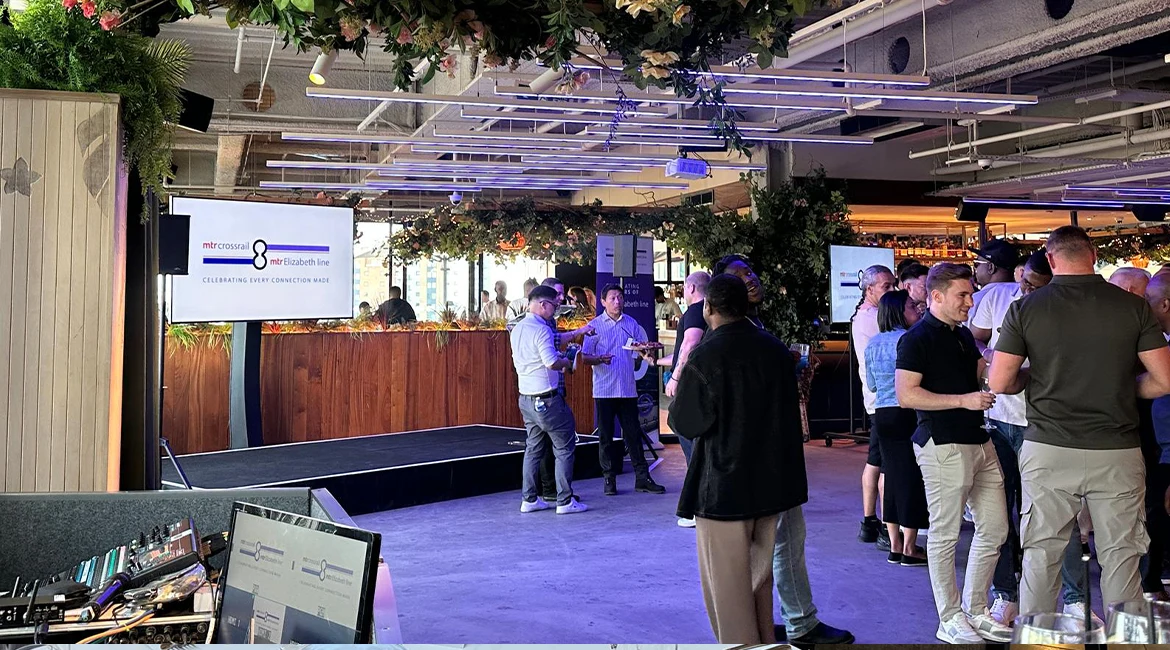
When you look at venues, think beyond capacity and decor. You need a room that supports your chosen format: space for a stage and screens, sensible sightlines, power and rigging for lighting, sensible noise levels, and good access for kit and guests.
A simple trick: before signing, share the floor plan and a short brief with an AV or event production company like AV Productions. We’ll quickly tell you if your “vision” fits the space or if you’re about to fight physics all the way to show day.
5. Design categories and judging people believe in
Keep categories aligned with your values, write clear criteria, and design a judging process that feels independent and fair.
Awards only feel meaningful if people understand what they stand for and trust how winners are chosen. So instead of copying a generic “Best Team / Best Manager / Employee of the Year” list, build categories from your own strategy and culture.
If innovation and customer impact are priorities, they should show up in your categories. If community or sustainability is central to your brand, that needs to be visible too. Each category should have a short description and a few bullet criteria that explain what “good” looks like.
On judging, keep it simple but grown-up. Decide whether panels are internal, external, or mixed. Set conflict-of-interest rules. Agree whether scores are numeric, narrative, or both. The goal isn’t bureaucracy; it’s enough structure that when someone asks why a particular team won, you have a clear answer beyond “the boss liked them”.
6. Turn the idea into a journey: your run of show
Think of the ceremony as a story with a beginning, middle and end, then write a simple script that guides guests through it without awkward gaps or endless speeches.
A good awards ceremony has rhythm. It doesn’t start with a 25-minute speech. It doesn’t drop a huge award in the middle of the starter. And it doesn’t keep people hostage until midnight because ten presenters went rogue.
On paper, your run of show should feel like a gentle climb:
- Arrival and reception that sets the tone and lets people relax.
- A confident opening that explains why the night matters.
- Blocks of awards that move at a reasonable pace and build towards the biggest categories.
- Short breaks that allow guests to talk, top up drinks, or enjoy entertainment.
- A clear, emotionally satisfying end, not just “That’s it, goodnight.”
Behind the scenes, the same document becomes more detailed: who is on stage when, what’s on screen, what song plays at each walk-up, and which microphone is used. This is what your event production partner will use to schedule lights, audio and content so your show feels intentional rather than improvised.
7. Make the night feel like your brand
Choose a simple visual direction and guest experience that reflects your brand and audience, then apply it consistently from invitations to lighting.
- Start with three decisions: tone, dress code and colour palette.
- Decide whether you’re closer to “modern and clean” or “glam and dramatic”.
- From there, align invitations, slide designs, stage backdrop, table décor and even the style of photography so it all feels like the same event, not a mash-up.
Think hard about the guest journey. Is it obvious where to go when they arrive? Do people with mobility needs have a dignified path to the stage if they win? Is the bar in the right place so people aren’t disappearing during big categories? These details don’t show up in marketing photos, but they are what guests quietly remember.
8. Treat AV and production as the engine, not the extras
Prioritise clear sound, good sightlines and smooth cueing; work with an event production team to design the right mix of sound, lighting, screens and crew for your room.
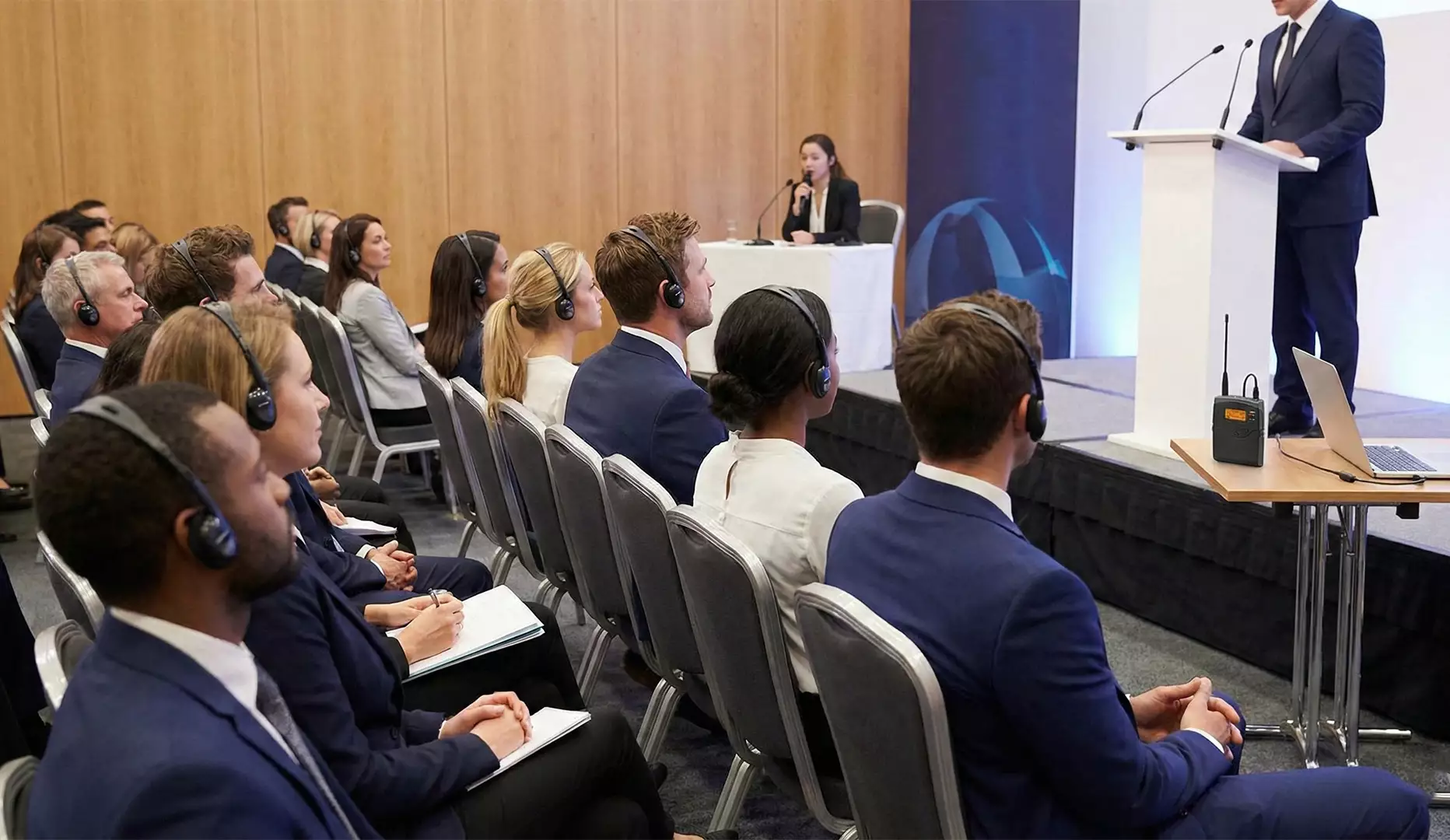
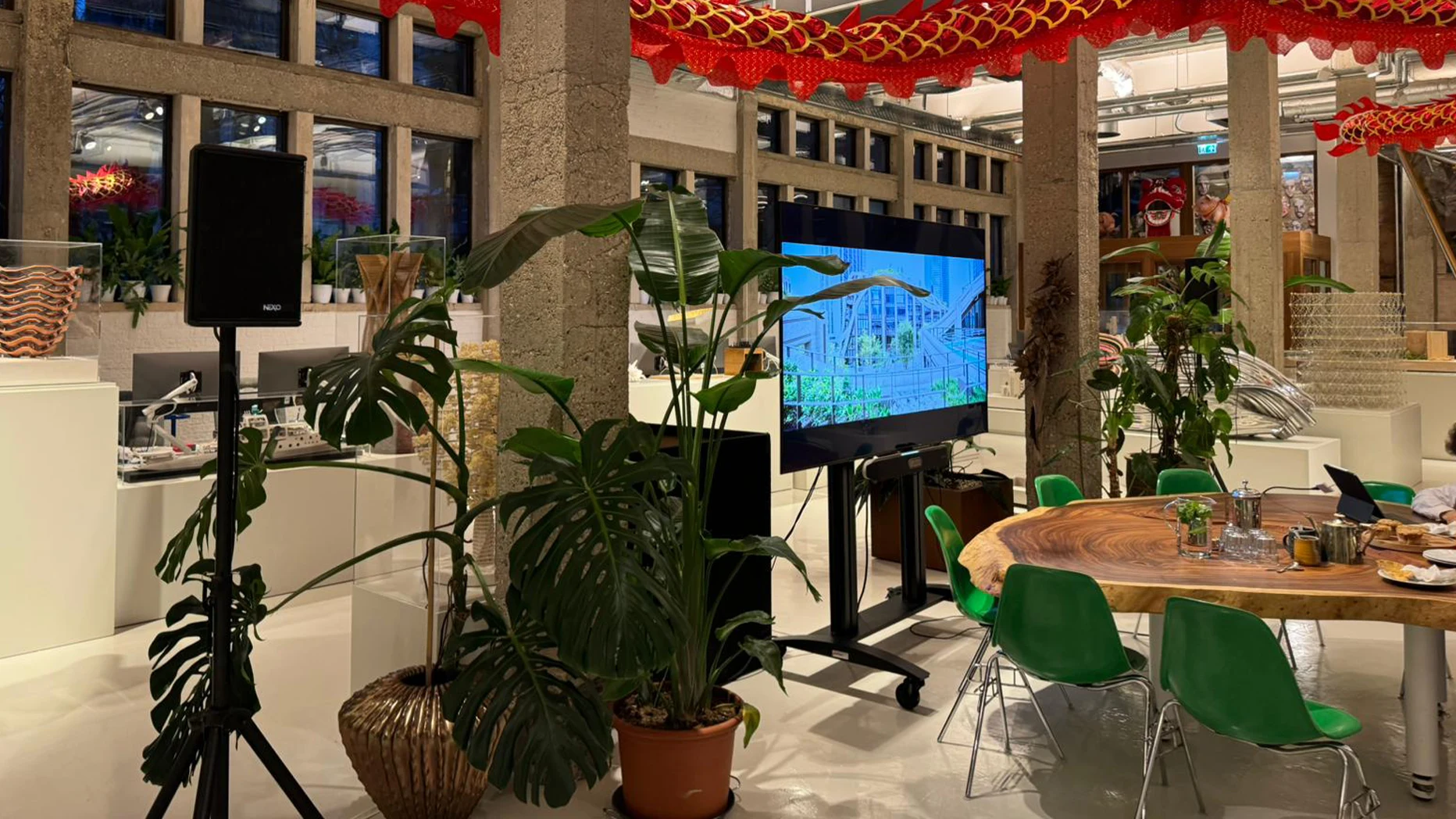
If there’s one part of an awards night you really don’t want to gamble on, it’s the technical side. Industry checklists for events keep repeating the same core ingredients: a quality sound system, appropriate microphones, a properly sized screen or LED wall, suitable lighting, and, increasingly, the capability for recording or streaming.
In practical terms, that means:
- A PA that covers the room evenly so people at the back hear as clearly as those at the front.
- Enough microphones for the host, presenters and any panel segments, with backups.
- At least one main screen that’s genuinely readable from the furthest seats.
- Lighting that keeps the stage bright and flattering without blinding the audience.
- A simple, reliable playback system for slides, videos and walk-on music, with a human being actively running it.
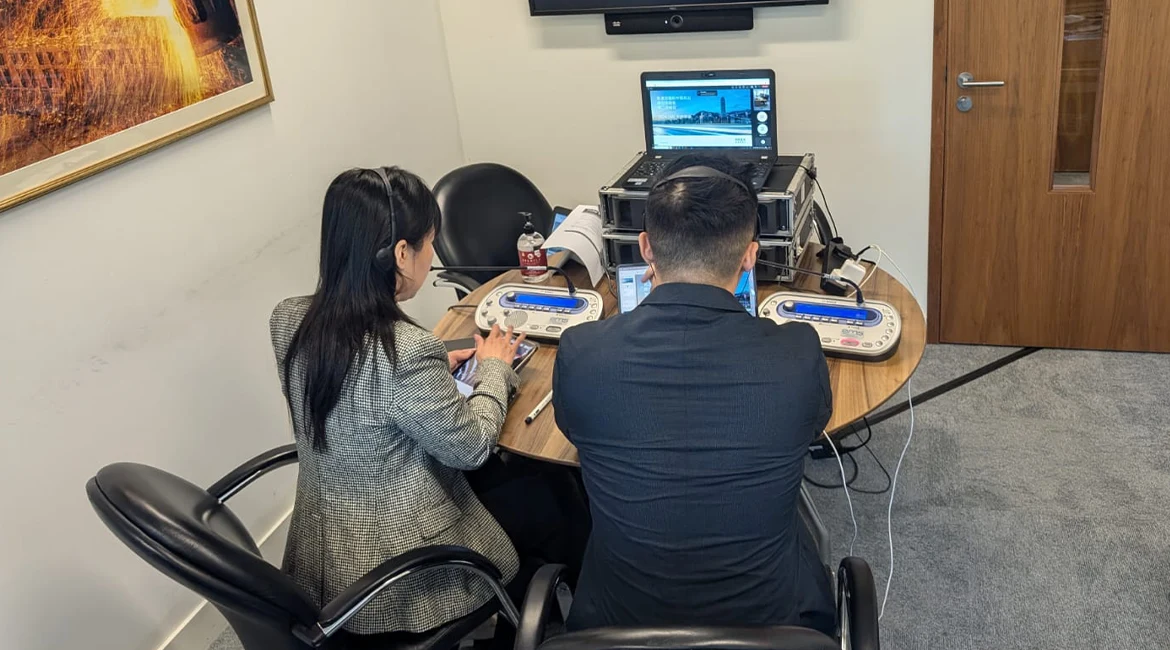
An AV hire or event production partner, such as AV Productions, will take your run of show, floor plan, and budget, and translate them into a technical design: gear list, crew, load-in plan, rehearsal window and contingency. The point is not to make things complicated; it’s to make sure the ceremony looks and sounds professional, and that if something does go wrong, there is a backup plan.
9. Choose the right voices on stage
Pick a host and presenters who fit your culture, give them a clear brief, and keep speeches disciplined so the night feels warm, not indulgent.
The person holding the microphone shapes the whole atmosphere. A good host keeps things moving, fills gaps without stealing the spotlight, and knows when to lean into a moment and when to let it breathe. That host might be a senior leader, a professional MC, a comedian, or a combination, but they need to be properly briefed, not just handed a script at 5pm.
Presenters should be chosen for diversity and relevance as well as their job titles. A mix of senior leaders, clients, partners and rising stars on stage tells its own story about whose voices matter in your organisation.
10. Make invitations and RSVPs work hard for you
Use your invite and RSVP process to set expectations clearly and quietly collect the information you’ll need to run a smooth, inclusive night.
Think of the invitation as the first “scene” of your ceremony. It tells people what the night is about, how important it is, how they should dress and what kind of experience to expect. It also lets you start building a clean data set: who is coming, what they need, and where they’ll be on the night.
A good RSVP form will ask for dietary requirements, accessibility needs, and consent for photos or filming, as well as basic contact details. That information should then feed into your seating plan, catering orders and conversations with your AV partner about camera positions and stage access.
As the date approaches, short, practical reminders beat long, fluffy messages. People are busy; they need start times, location links, dress code, and any key expectations (e.g., “We’ll be filming; smartphones away during winners’ speeches, please”).
11. Rehearse as you Mean It
Even one focused run-through with your AV team and host will iron out most of the awkwardness and protect you from nasty surprises on the night.
Rehearsal is where a “nice plan” becomes a confident show. You don’t have to run every line of every speech, but you should absolutely turn on the kit, run key cues and let people feel the space.
A simple rehearsal rhythm might include:
- A technical check where microphones, screens, lights and playback are tested with real content in the actual room.
- A stage walk-through for your host and main presenters so they know where to stand, how to approach the lectern and how to collect winners.
- A quick timing exercise for one or two award categories, so everyone feels how fast the show needs to move.
During this, your AV partner can fine-tune levels, adjust lighting, and flag any risks. You can also work out how you’ll shorten the show if speakers run long, instead of trying to invent a solution at 10.45 pm while watching the bar queue grow.
12. Close the loop: follow-up, feedback and next year
Don’t let the night vanish; share highlights, ask for honest feedback and write down what you’d change so your next awards ceremony starts from a stronger baseline.
Once the last guest leaves, you’re tired, but the job’s not quite done. Within a few days, send thanks to attendees, nominees, winners, sponsors and suppliers. Share photos, short videos and key moments. Give winners assets they can post on their own channels.
Then ask people how it was. A short survey, 5–10 questions covering atmosphere, length, venue, catering, technical quality and overall experience gives you data you can actually use.
Internally, pull everything into a concise debrief: what went well, what nearly broke, what you’d repeat and what you’d retire. Add notes from your AV production team about timings, room performance and technical tweaks. That document is the start of your next awards cycle, and the difference between “we’re starting from scratch” and “we’re levelling up”.
Turning “let’s do an awards night” into a repeatable win
A successful awards ceremony comes down to a few simple things done well: a clear reason for the event, a realistic timeline, a budget that reflects reality, and a show that’s paced and produced properly. If you stay focused on who you’re recognising and how you want them to feel, it’s much easier to make good decisions about format, venue, categories, judging and the run of show.
With a solid AV production setup and a partner like AV Productions handling the technical backbone, you’re free to concentrate on the people and the moments on stage. Do that, capture what worked, fix what didn’t, and your awards night stops being a one-off headache and becomes a repeatable, reliable win for your organisation.
FAQs
How early should I start planning for the awards ceremony?
For a mid- to large-scale corporate awards ceremony, start 6–12 months before the event. That gives you time to lock in a good venue, secure AV and production support, run nominations and judging, and communicate clearly with guests. Smaller internal awards can be done in 3–6 months if decisions are fast.
What’s the most important part of planning an awards ceremony?
The single most important part is clarity of purpose. Once you know why you’re doing it and who it’s for, you can build the right format, categories, budget and run of show around that. Without this, you’re just guessing at what the night should look like.
What’s the biggest mistake people make with awards nights?
The most common mistake is treating it like a dinner with some trophies, rather than a show that needs structure, pacing and technical support. When the run of show and AV are undercooked, the whole night feels flat, no matter how good the food is.
How do I stop the ceremony from feeling too long?
Keep speeches short, group similar categories into blocks, and use entertainment or video inserts to reset the room. Rehearse timings with your host and production team, and have a “tight” version of the script ready if the night starts to overrun.
Do I really need professional AV for an awards night?
Once you have more than a handful of guests, a stage, multiple microphones and screens, professional AV and production support is strongly recommended. A specialist partner, such as an AV hire or event production company like AV Productions, will design sound, lighting and visuals that suit your room and run sheet, and will manage technical risks you don’t want to be thinking about on the night.
Should my awards ceremony be live, hybrid or fully virtual?
It depends on your audience. Live events are strongest for atmosphere and networking. A hybrid is useful when you have remote teams or international offices to include. Fully virtual can work when travel budgets are tight, if you invest in good production and engagement tools. The planning steps are similar; you just place more emphasis on streaming, platforms and online interaction in hybrid or virtual formats.