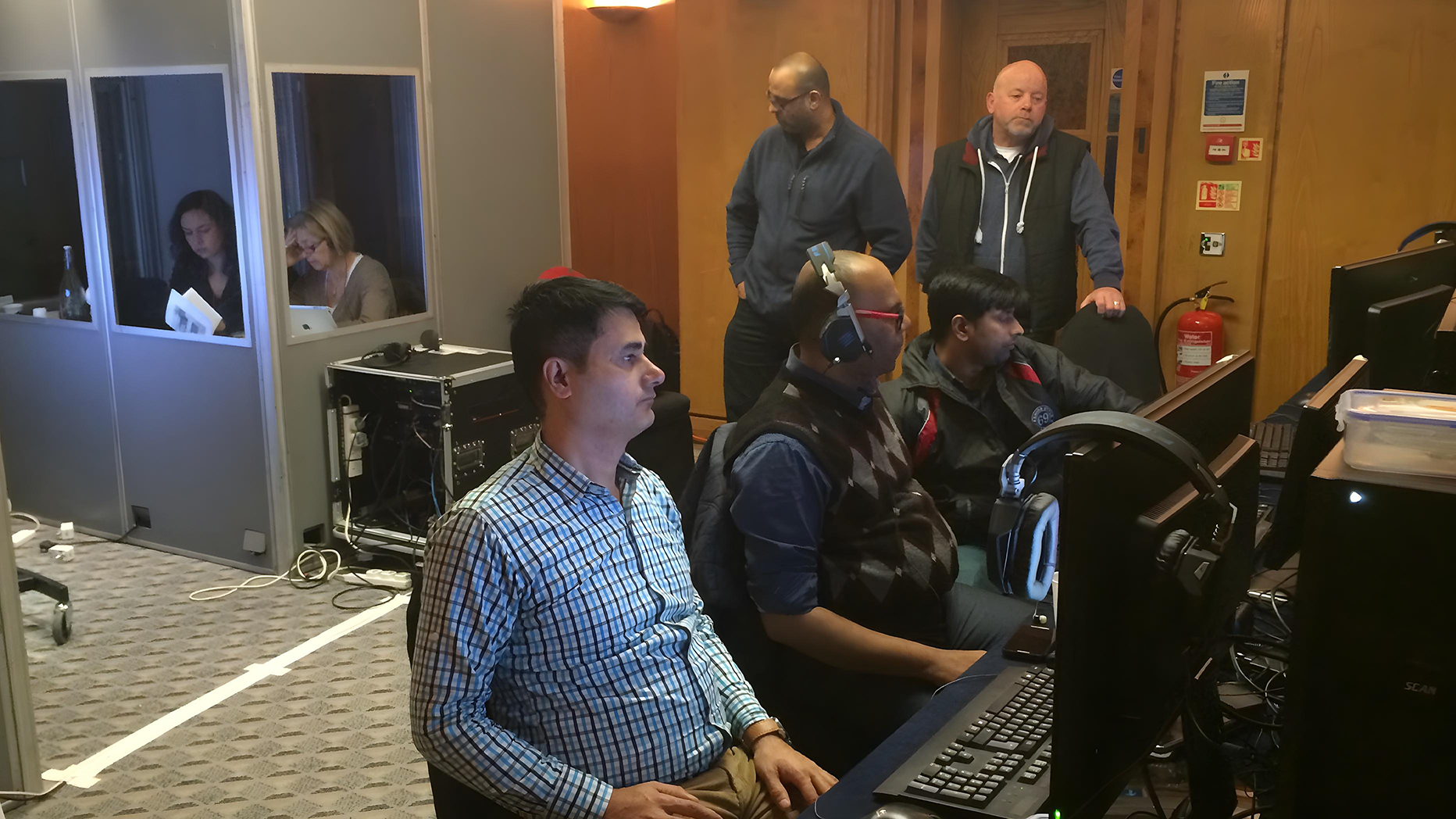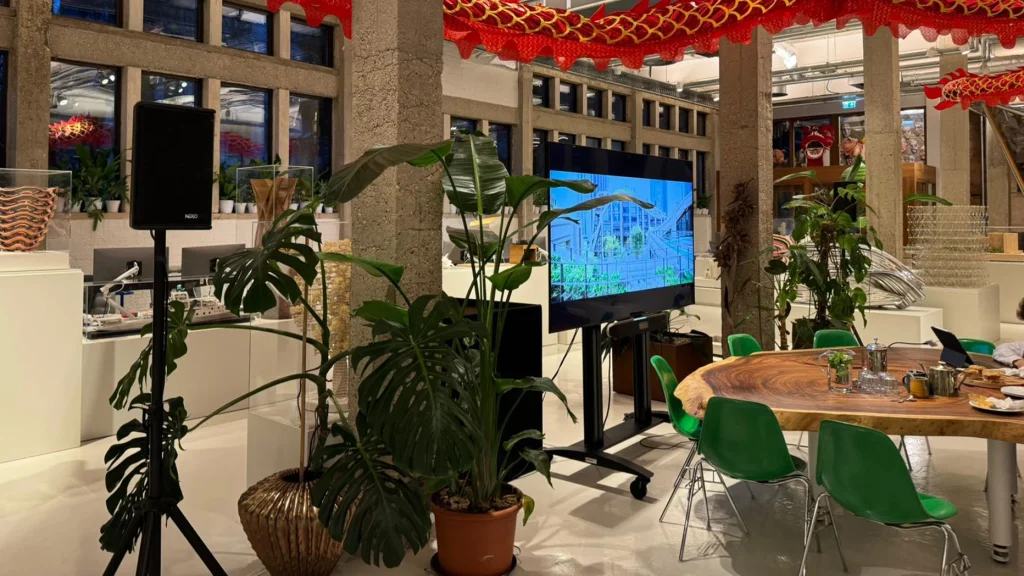
In the heart of a bustling conference hall, tension rises as the last few seconds tick down before the CEO takes the stage. The lights flicker momentarily, casting shadows that seem to echo the anxiety of the waiting crowd. It’s make-or-break time, every flicker is crucial. But now, artificial intelligence has entered the control room, not to replace people, but to sharpen what they already do.
For companies staging product launches, conferences, or internal summits, AI in audio-visual production is quietly rewriting how shows are planned, operated, and remembered.
From Manual Setup to Intelligent Systems
A decade ago, an AV team spent half its prep time syncing slides, balancing audio levels, and adjusting lighting scenes by hand. This often meant approximately 8 hours of meticulous manual work. Today, software handles much of that groundwork, reducing the preparation time to just about 2 hours. This stark contrast highlights the efficiency AI brings to the table, freeing up valuable time and resources.
AI-driven control platforms now ‘read’ the room. Systems like Q-Sys or L-ISA can recognise voices, detect ambient noise, and fine-tune sound automatically. Lighting systems learn the sequence of a presentation and adjust brightness as speakers move across the stage. Cameras track facial focus without an operator twisting a joystick.
The result: smoother transitions, fewer delays, and far less stress for event managers juggling multiple screens and sessions.
Predictive Maintenance: Fixing Problems Before They Exist
Every technician knows the fear of a dead projector five minutes before doors open. AI can now predict failure days in advance.
Smart monitoring tools analyse data from lighting fixtures, amplifiers, and displays. Imagine a morning when a critical projector starts showing signs of failure days ahead of the event. The system detects abnormal power usage and rising temperatures, which could lead to a disastrous outage just before the opening keynote. Instead of waiting for a catastrophe, the AI flags the issue early, prompting a technician to replace the unit quietly, ensuring all systems are gone when the event starts. The fix unfolds without the audience ever knowing there was almost a major glitch.
For large-scale corporate event AV production, this predictive maintenance is a gift, reliability without extra labour.
Automated Video Production and Smart Cameras
At major conferences, multiple sessions often run simultaneously. Capturing them used to require a small army of camera operators. Now, AI cameras manage tracking, framing, and switching in real time.
They identify speakers, adjust Zoom automatically, and even create highlights for post-event editing. The same tools power hybrid events, streaming sessions live while editing them for replay.
That’s why so many London-based companies now ask Audio-Visual Production to integrate AI-enabled cameras into their event setups. It’s not about novelty; it’s about consistency. Every shot stays focused, every presenter stays lit, and every recording is ready for distribution almost immediately. The effect on the audience is palpable; there’s a sense of relief knowing they won’t miss a moment, excitement from the seamless flow of the event, and trust in the brand for delivering a polished experience. This emotional connection elevates AI from just a tool for efficiency to a key player in shaping positive brand perception.
Lighting and Sound That Think for Themselves
AI isn’t only watching, it’s listening.
Smart sound systems now use machine learning to adapt to acoustics, removing feedback or echo on the fly. When a room fills up, the algorithm compensates automatically for the change in air density and audience noise.
On the lighting side, sensors and AI controllers maintain the right balance of warmth and intensity. Whether it’s a keynote at 9 a.m. or a gala dinner at 9 p.m., the ambience remains consistent.
For clients hiring audio-visual production for corporate events, it means less time troubleshooting and more time focusing on guests.
Personalisation at Scale
Corporate audiences are diverse, including executives at the front, remote teams online, and partners joining from abroad. AI makes it possible to tailor the same event to all of them.
Live translation software transcribes speeches in real time. Subtitle AI tools deliver captions in multiple languages simultaneously. Visual recognition adjusts screen brightness and content layout depending on the device or viewing distance.
This level of personalisation in corporate AV production simply wasn’t feasible five years ago. Now it’s becoming standard practice for forward-thinking companies in London and beyond.
Data-Driven Event Insights
After every event, organisers want proof: did the audience stay engaged? Which sessions landed best?
AI helps answer that.
Modern AV platforms record viewer metrics, audio levels, engagement rates, and even sentiment from audience reactions. That data feeds into post-event reports, showing exactly when attention peaked or drifted.
For brands that see events as part of a broader marketing strategy, these insights are gold. They turn stage moments into measurable business outcomes.
Virtual and Hybrid Events Reimagined
COVID-era restrictions accelerated the adoption of virtual and hybrid formats, but AI made them sustainable.
Virtual event platforms now use AI to match participants with relevant networking sessions, create automated camera angles in digital spaces, and generate subtitles for accessibility. Meanwhile, physical venues integrate augmented-reality overlays and virtual-production backdrops powered by AI engines.
At AV Productions, these tools are used daily to bridge in-person and online audiences without compromise. The human team designs the flow; AI ensures it runs seamlessly across every screen.
Efficiency Without Losing the Human Touch
The biggest misunderstanding about AI in audio-visual production is that it replaces expertise. It doesn’t.
It automates repetition so humans can concentrate on craft.
A technician once spent hours colour-balancing screens; now they spend that time designing transitions that feel cinematic. A sound engineer freed from constant EQ adjustments can focus on emotional impact, the “feel” of a moment, not just its volume.
AI doesn’t remove artistry; it gives it breathing room.
Sustainability and Smarter Energy Use
Another subtle benefit: energy efficiency.
AI systems can power down idle devices, regulate brightness based on ambient light, and optimise cooling for projectors and LED walls. Over a three-day conference, the energy savings are significant.
For large corporations focused on ESG goals, that’s not a side benefit; it’s part of the story. Smarter systems mean smaller footprints without compromising quality.
Challenges Still Worth Noting
AI brings power but also caution. Automation can over-correct if not properly supervised. Predictive tools still need human confirmation before action. And privacy laws require transparency when facial or voice recognition is in play.
That’s why event partners matter. A trusted AV production company understands both sides, the creative thrill of innovation and the duty of compliance. Technology moves fast; professionalism keeps it grounded.
How AV Productions Uses AI to Elevate Corporate Events
At AV Productions, AI isn’t a buzzword. It’s embedded in daily operations.
Our teams use intelligent lighting desks that learn cue sequences, auto-mixing audio consoles, and camera systems with adaptive framing. We analyse post-event data to improve future shows and train technicians to use these systems responsibly.
But the foundation remains the same: people who understand audiences. AI sharpens the workflow, but it’s still human intuition that senses when the room is ready for applause.
In Closing
AI isn’t taking over the stage; it’s lighting it better.
In a business world that moves faster each year, corporate audiences expect seamless delivery and precision. AI helps make that possible, not as a gimmick, but as a quiet partner behind the curtain.
For companies planning their next event, the smart move is to pair intelligent systems with experienced hands.
AV Productions offers that partnership, where AI-powered audio-visual production meets human craftsmanship. Together, they turn corporate events into experiences that feel effortless, polished, and alive.
Frequently Asked Questions
1. What AI tools are most useful in corporate AV production?
Camera tracking, automated sound mixing, predictive equipment monitoring, and real-time translation tools are leading the change.
2. Does AI make technicians obsolete?
No, it makes them more efficient. AI handles repetitive tasks, allowing crews to focus on creativity and reliability.
3. How can AI improve virtual events?
Through automated switching, participant analytics, live captioning, and interactive networking powered by machine learning.
4. Is AI suitable for small corporate events?
Yes. Even smaller venues can benefit from AI-based lighting control and automated recording to reduce manpower without cutting quality.