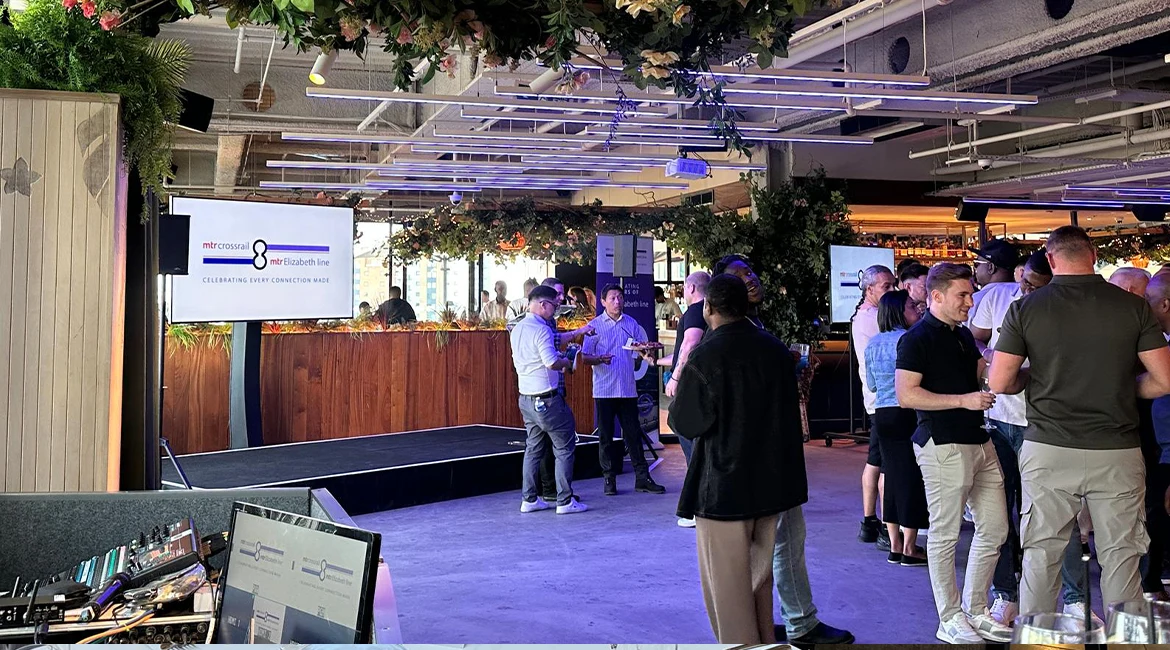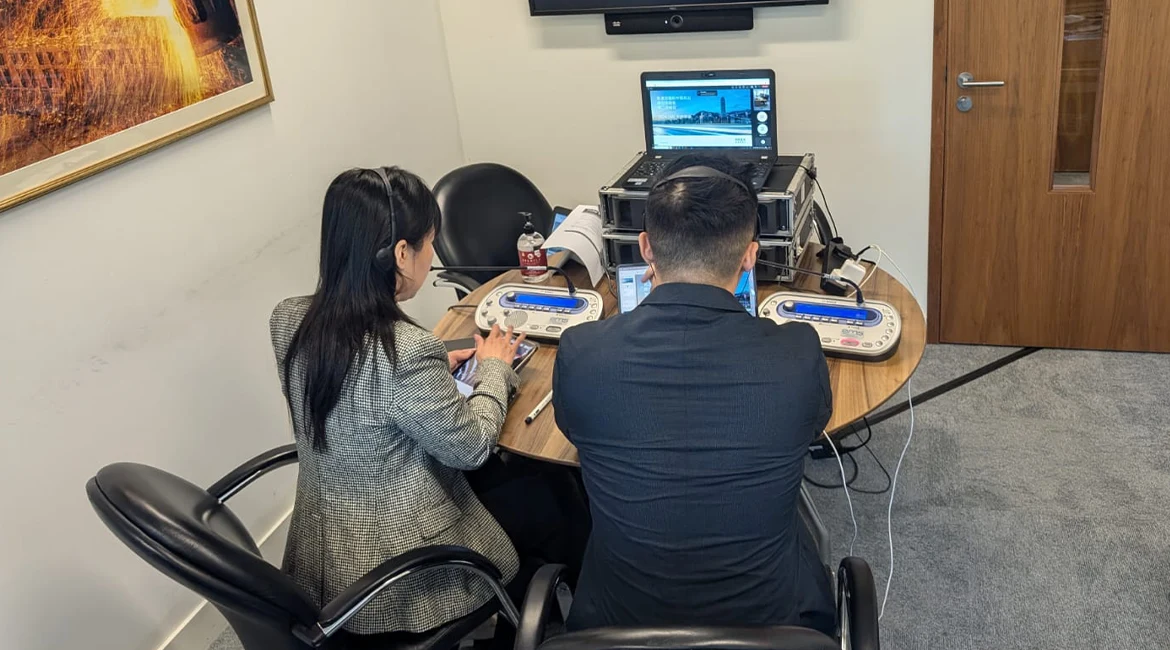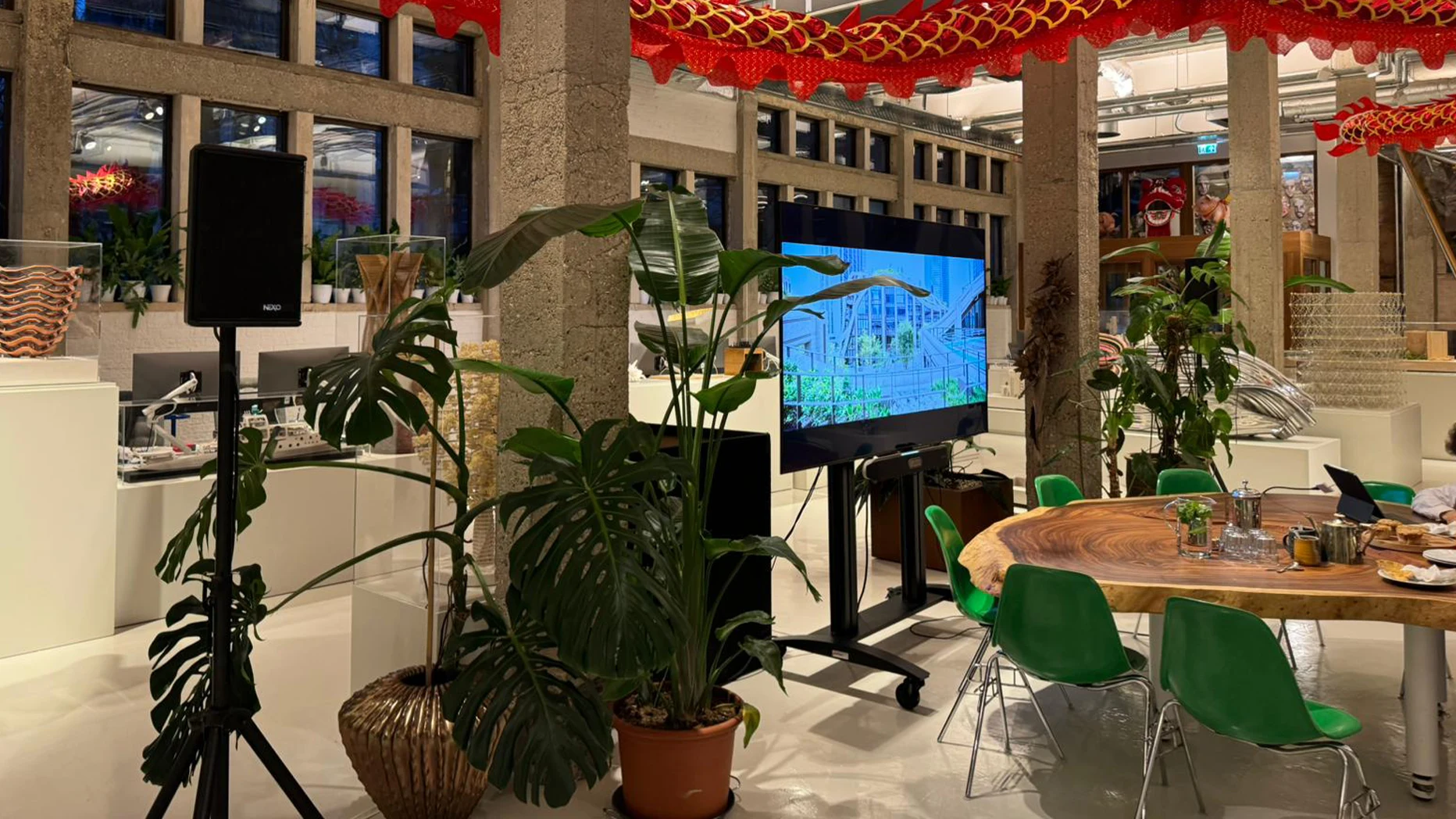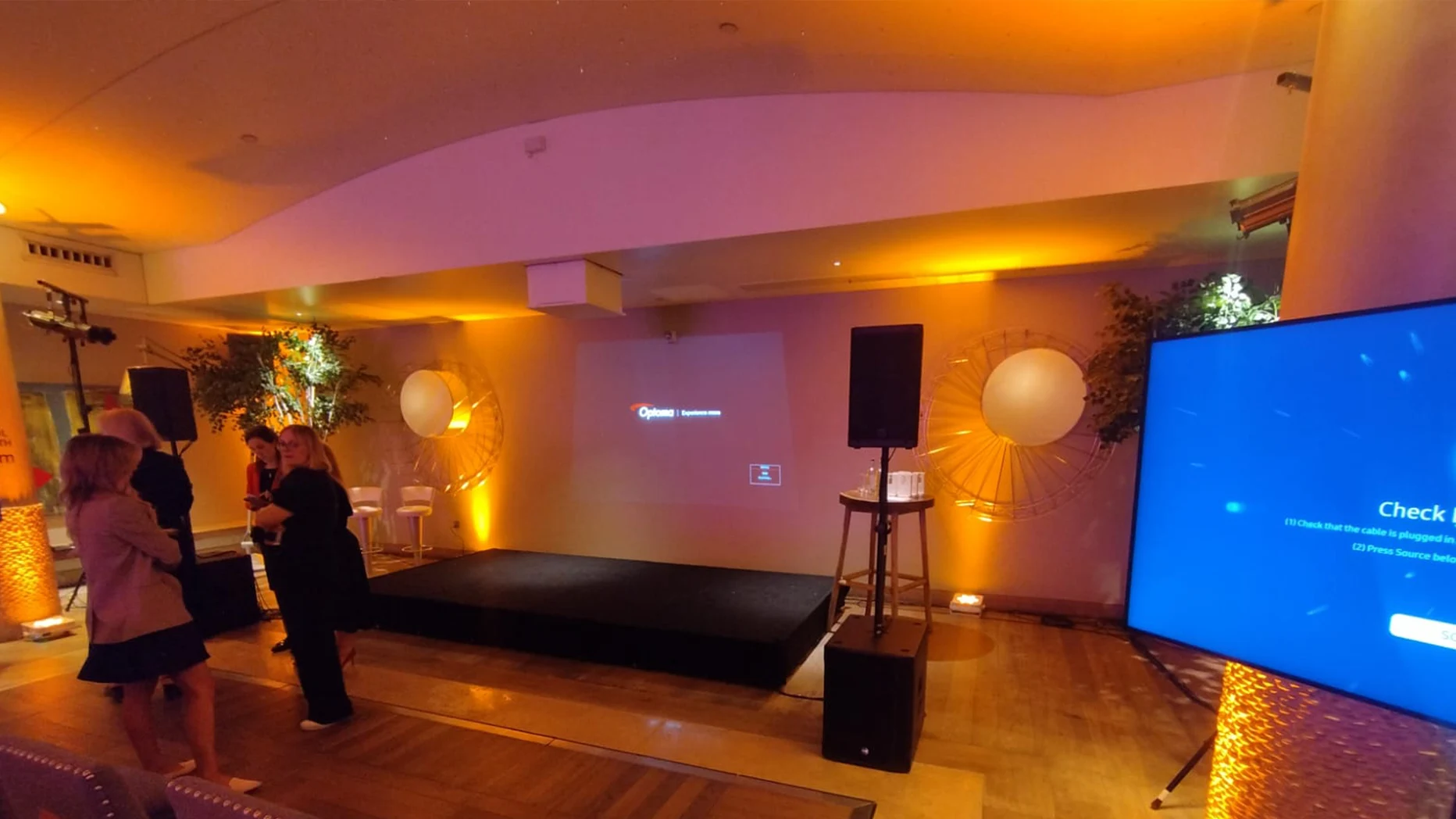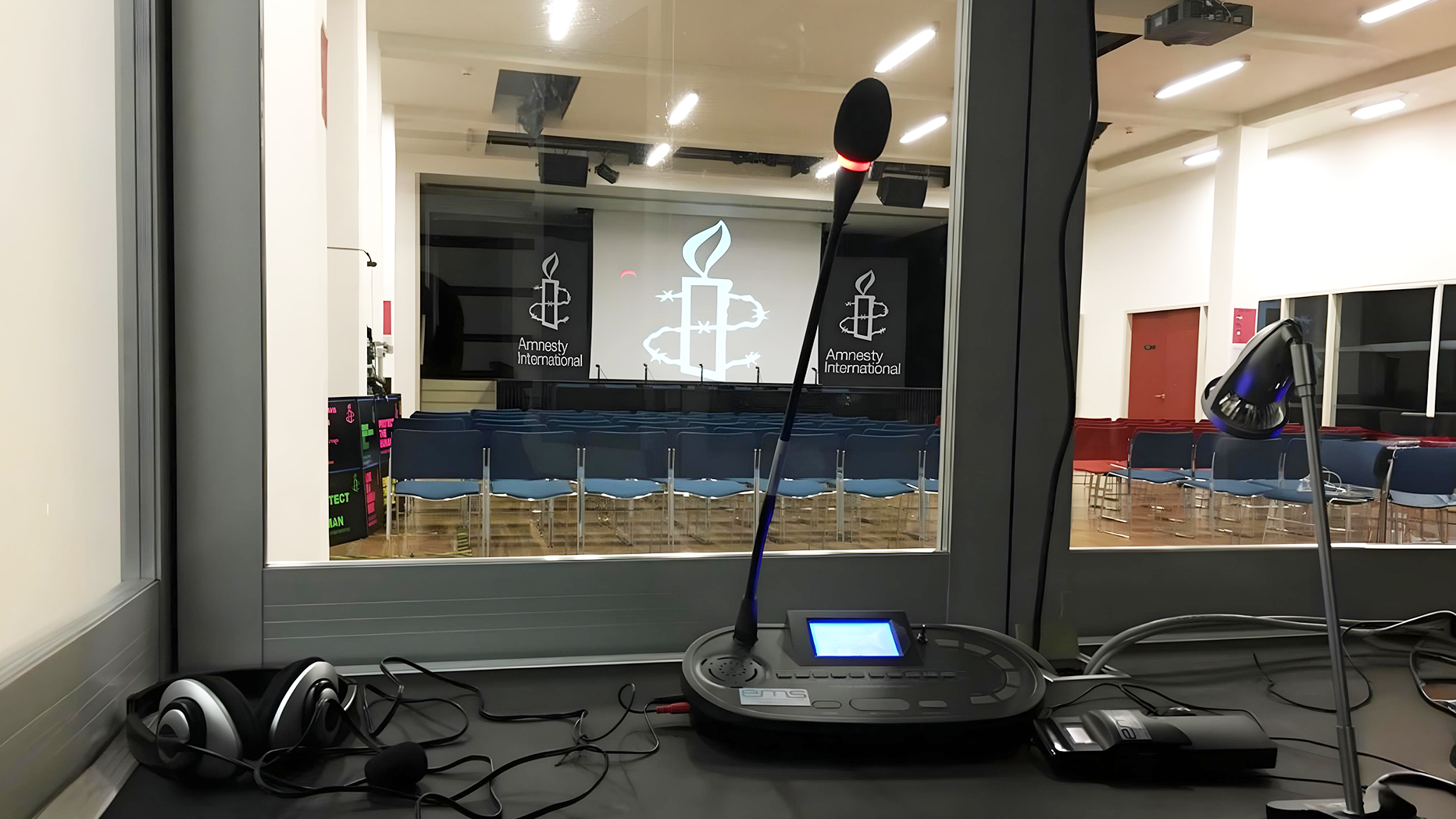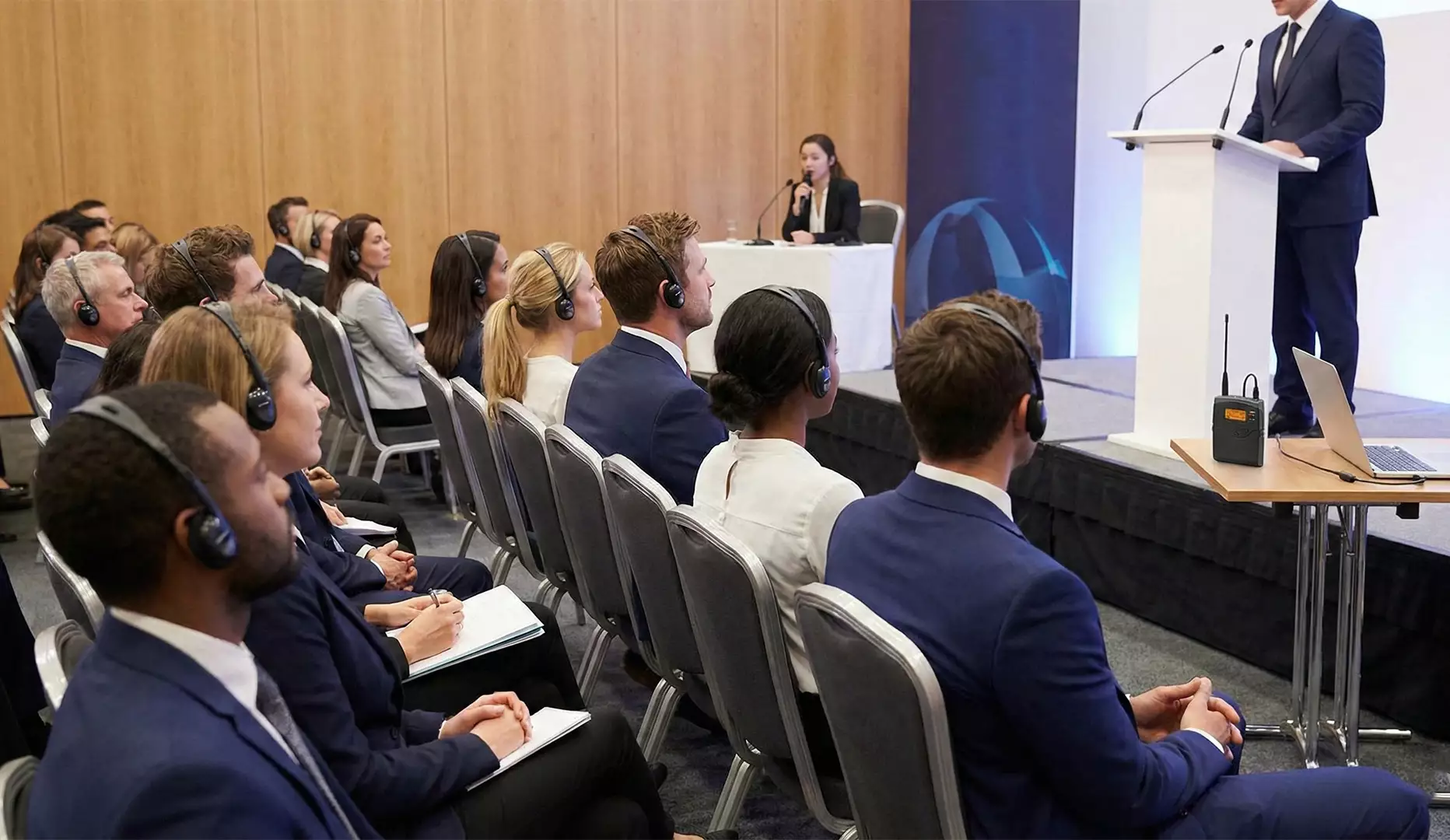
A portable SI system lets your audience hear real-time translation through lightweight wireless headsets. No heavy booths, no complicated installs, just fast setup and clear communication.
Planning a multilingual event in London is exciting… until the logistics hit you. Different languages, tight schedules, roaming speakers, and a venue that never behaves the same way twice, suddenly, interpretation becomes the most stressful part of the day.
That’s exactly where a portable simultaneous interpretation system steps in. It turns complex, multi-language events into smooth, predictable experiences as long as you follow the right checklist.
But London planners learn fast: even the best simultaneous interpretation equipment can fail if you don’t prepare it properly. That’s why this guide gives you a simple, step-by-step planner’s checklist to choose the right system, set it up correctly and avoid the problems that derail events in the UK.
So let’s make multilingual events effortless.
Understanding portable simultaneous interpretation systems
simultaneous interpretation system sends real-time translation wirelessly to the audience through lightweight headsets. Portable simultaneous systems are designed for quick setup, small teams, and mobile events. No heavy booths. No construction. No long installs. This makes them ideal for:
- Corporate meetings.
- London hotel conferences.
- Multi-room seminars.
- Facility tours.
- Workshops.
- Community events.
- Government and NGO sessions.
Most portable setups use one of three technologies: RF, IR, or WiFi/BYOD.
| Pro Tip: London venues often have thick walls, glass partitions, or basement rooms. Always ask about the building structure before choosing a system, as it affects your signal quality. |
Event assessment (Your first checklist step)
List languages, count listeners, check the venue layout, and study the event format. A smooth simultaneous interpretation always starts with a clear assessment.
- Language needed
Write down every language direction. For example: English → French, English → Arabic.
Why it matters: Because each language equals one channel. More languages = more equipment + more interpreters.
- Audience size
Not every attendee needs a headset. For example, you might have 300 attendees, but only 15 who need interpretation. Order receivers based on the number of listeners, not the total headcount.
| Pro Tip: Always order 10-15% extra receivers for late arrivals and VIPs. |
Event format
Your format decides your setup: Roaming speakers? Use belt-clip transmitters + RF receivers.
- Facility tour? You need fully portable RF kits.
- Board-level confidentiality? Choose IR.
- Training sessions? Check the WiFi strength before selecting BYOD.
Venue Layout
Always check the venue layout, like:
- Room type.
- Ceiling height.
- Multi-room or breakout areas, stage vs floor seating.
- Stage vs floor seating.
- Possible interference (LED walls, WiFi traffic, metal structures).
London venues vary massively, from historic halls in Westminster to modern glass rooms in Canary Wharf. Never assume the same SI system will work the same way in all buildings.
Share content early
Interpreters deliver better work when they receive:
- Slides.
- Agenda.
- Terminology.
- Speaker names.
- Small prep = stronger accuracy.
Choosing the right portable SI technology
RF for mobility, IR for secure meetings, and WiFi for budget-friendly setups.
RF (Radio frequency)
Best for:
- Facility tours.
- Multi-room events.
- Moving speakers.
- Breakout sessions.
RF travels through walls, so it’s ideal for busy London venues with multiple rooms.
| Pro Tip: If your event involves moving groups from room to room (common in training and technical tours), RF prevents dropouts. |
IR (Infrared)
Best for:
- Confidential board meetings.
- Government sessions.
- Courtrooms.
- legal/finance events.
- IR signals stay inside the room, which makes them ideal for UK GDPR-sensitive events.
| Pro Tip: If your meeting involves sensitive content (M&A, legal, strategic), IR is the safest choice because signals cannot leak through walls. |
WiFi/ BYOD
Good for:
- Light budgets.
- Audiences are comfortable with phones.
- Smaller workshops.
Warning: London hotels often share bandwidth with hundreds of guests. Always run a load test before confirming WiFi interpretation.
Technical features to check before booking
Look for HD audio, enough channels, strong range, long battery life, and reliable accessories.
- Audio quality
Clear, low-noise sound keeps interpreters accurate and listeners relaxed.
- Channel capacity
1 channel = a language.
If you have English, French, Spanish, and Arabic, you’ll need four channels plus one backup.
- Battery life
Portable = wireless.
Aim for 8–10 hours per receiver.
| Pro Tip: keep a small batch of pre-charged spare units for mid-event swaps, lifesaver during full-day London conferences. |
Range & Signal Strength
Large rooms, corridors, or exhibition-style spaces require strong penetration.
Accessories checklist
Make sure your provider includes:
- Sanitised headsets.
- Charging cases.
- Spare lanyards.
- Backup transmitters.
- Extra providers.
- Adaptors and connectors.
AV Productions typically brings these pre-packed for London events.
Interpreter management (Your human side of the checklist)
Hire professionals, brief early, and always schedule two interpreters per language.
Hire qualified interpreters
Simultaneous interpretation is a specialist skill, not a task for bilingual staff. So, always look for UK-trained interpreters.
Always use interpreting pairs
Simultaneous work is mentally intense. Professionals rotate every 20–30 minutes.
Share event materials early
Give your interpreters:
- Agenda.
- Technical terms.
- Videos.
- Slide decks.
- Names of companies & speakers.
Coordinator / Technician
A local SI technician handles channels, audio levels, and fixes issues instantly, very important in unpredictable London venues.
Logistics, setup, and onsite operation
Arrive early, test all channels, check signal from all corners, and keep a technician on-site.
Arrive early
Allow 60+ minutes for set-up, even with portable systems.
Run full system tests
Check:
- Interpreter audio feed.
- Microphone clarity.
- Receiver connection.
- Channel switching.
- Volume levels.
- Range (test from the room corners and behind pillars).
Pro Tip: London rooms often have tricky blind spots, test where attendees will sit, not just where you stand.
Plan headset distribution
Use:
- Registration desk.
- Table placements.
- Ushers at doorways.
Keep a technician on-site
Avoid problems such as:
- Dropouts.
- Interference.
- Low volume.
- Static.
- Lost receivers.
Portable systems are simple, but live events move fast.
Post-event wrap-up
Collect headsets at exits, count everything, and gather feedback for next time.
Receiver collection
Use clear signage and staff to guide attendees.
Inventory check
Count all:
- Headsets.
- Transmitters.
- Accessories.
Gather feedback
Ask both listeners and interpreters:
- Was the audio clear?
- Was the signal stable?
- Any dead zones?
- Was the setup easy to use?
Small notes now prevent bigger problems later.
Final thoughts
Choose the right technology, prepare interpreters early, and test everything before attendees arrive.
Portable SI systems help make your event smooth, inclusive, and easy for multilingual audiences, especially in London’s fast-paced venue environments. With the right planning and a reliable technical team, interpretation becomes one less thing to worry about.
For planners who need trusted portable SI systems, interpreters, and onsite technical support, AV Productions supports events across London, from Westminster boardrooms to Canary Wharf conferences and large exhibitions at ExCeL and Olympia.
FAQs
How Do Portable Simultaneous Interpretation Systems Work?
Portable SI systems send live translation wirelessly to listeners through lightweight headsets.
Which Interpretation System Is Best For London Venues?
RF systems work best for mobility, while IR is ideal for confidential boardrooms.
Do I Need Interpreters Or Just Equipment?
Yes, professional interpreters are essential. Portable SI systems only handle transmission.
How Many Receivers Should I Order For A Corporate Event?
Plan for 10–15% extra to cover VIPs, late arrivals, and walk-ins.
Can Portable Si Systems Support Multiple Rooms?
Yes. RF works for multi-room setups, while IR is limited to single-room secure sessions.