The most common mistakes when planning a trade show exhibit are starting too late, having unclear goals, cluttered stand design, unreliable AV, untrained staff, and poor follow-up. UK businesses can avoid these by planning 2–3 months ahead, setting measurable goals, using professional exhibition AV, training booth staff, and following up leads within one week.
Trade shows are a big risk but an even bigger opportunity.
By the time you’ve paid for floor space, stand build, travel, hotels, graphics, and AV, your ‘one event’ can easily run into five figures. Yet, much of that spend gets lost in:
- Stands where people walk straight past.
- Tech that fails during demo.
- Staff who don’t know what to say.
- Leads that never get a followed up on.
In this guide, you will find those mistakes and easy tips to fix them before you even arrive on site.
Before the show: planning and strategy mistakes
Most trade show disasters start long before anyone walks into the hall.
1. Leaving trade show exhibit planning to the last minute
One of the biggest trade show sins is doing everything in a rush.Good trade show exhibit planning takes time. You need to book your space, agree on a stand design, organise AV hire, sort furniture, plan logistics, and rehearse demos. If you start a few weeks out, you’ll pay more, get fewer options, and feel stressed the whole way through.
How to avoid it:
- Start planning 2–3 months before smaller shows, and even earlier for major events.
- Create a simple, shared checklist with weekly deadlines (space, design, AV, print, logistics, staff rota).
Lock in key suppliers early – especially your AV hire and exhibition furniture partners, so you’re not stuck with whatever’s left.
2. Turning up without clear goals
“Being there” is not a goal.
If you don’t define what success looks like, it’s very hard to design a stand, brief the team, or measure ROI. That’s when a trade show feels like a very expensive branding exercise.
Ask yourself:
- How many qualified leads do we want each day?
- Do we want to book demos or meetings on the stand?
- Are we there to launch something, build awareness, or warm up a new market?
How to avoid it:
- Set 3–5 simple, measurable goals (e.g., 150 qualified leads, 20 demos booked, 10 partner meetings).
- Share those goals with the whole team, so everyone knows what they’re aiming for.
- Use those goals to guide your stand design, messaging, and tech choices.
3. Choosing the wrong show or stand space
Sometimes the problem isn’t your stand. It’s the show.
If your ideal customers aren’t there, or you tuck yourself into a quiet corner with low footfall, even the best booth design and AV won’t save you.
How to avoid it:
- Check previous attendee profiles and exhibitor lists before you book.
- Talk to current customers about which trade shows they attend and why.
- Balance budget with visibility: a smaller stand in a high-traffic location often beats a big stand in a dead zone.
- Look at what competitors are doing, not to copy them, but to see where your audience already spends time.
4. Underestimating your trade show budget (and hidden costs)
Many UK exhibitors only budget for stand space and graphics. Then the extras hit:
- Power and internet.
- Rigging and suspension.
- Installation and dismantling labour.
- Storage, shipping, and handling.
- Extra furniture and AV.
These hidden costs can quickly blow your trade show budget and force you into last-minute compromises.
How to avoid it:
- Build a full trade show budget that includes: space, stand build, AV, furniture, travel, accommodation, and marketing.
- Add a 10–15% contingency for venue and labour extras.
- Ask your AV and stand partners for all-in pricing so there are no surprises later.
5. Skipping pre-show marketing
Another classic mistake: assuming people will just “find you on the day”.
Most visitors arrive with a rough plan of which stands they want to see. If you don’t appear on that list, you’ll miss a big chunk of potential conversations.
How to avoid it:
- Promote your presence in email, LinkedIn, and other social channels 2–4 weeks before the show.
- Tell people your stand number, what you’re showcasing, and why they should stop by.
- Offer a simple incentive: fast-track demos, a giveaway, or a chance to book a short consultation slot.
- Ask the organiser what marketing options are included in your package (show app listings, online directory, pre-show emails).
During the show: design, AV and on-stand execution
Once the doors open, small details make a big difference.
6. Cluttered or confusing exhibit design
Your booth is your shopfront. If it looks dull, dated, or messy, people will walk straight past.
Common booth design mistakes include:
- Too much text on graphics.
- Tiny fonts that no one can read from the aisle.
- Mixed colours and fonts that don’t match your brand.
- Tables across the front that act as barriers.
- No clear explanation of what you actually do.
You have roughly two seconds to tell people why they should stop.
How to avoid it:
- Use one strong headline that explains what you do.
- Keep copy short and readable from several metres away.
- Use brand colours and clean layouts so everything feels consistent.
- Create an open, welcoming layout with space for people to step in and talk.
- Limit printed materials on surfaces – let your visuals and demos do the heavy lifting.
7. Poor use of audiovisual equipment
Bad lighting, crackly sound, or a screen that keeps freezing is a fast way to lose trust.
Trade shows are noisy and busy. Your audiovisual setup needs to cut through the background, not add to the chaos. Cheap kits or DIY setups often lead to:
- Pixelated or too-dim screens.
- Microphones that cut in and out.
- Speakers that are either too quiet or painfully loud.
- Cables everywhere and laptops that won’t connect.
How to avoid it:
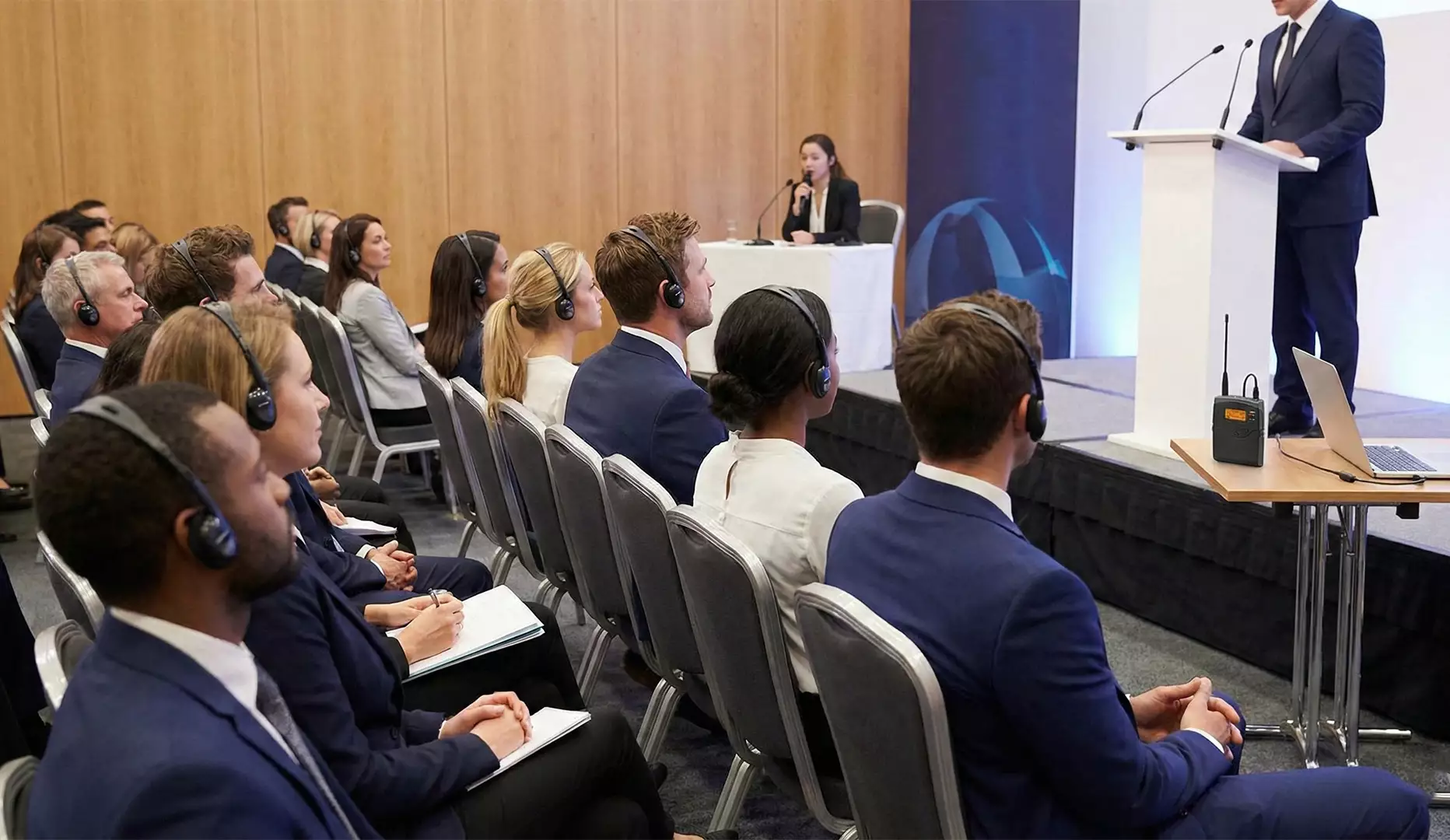
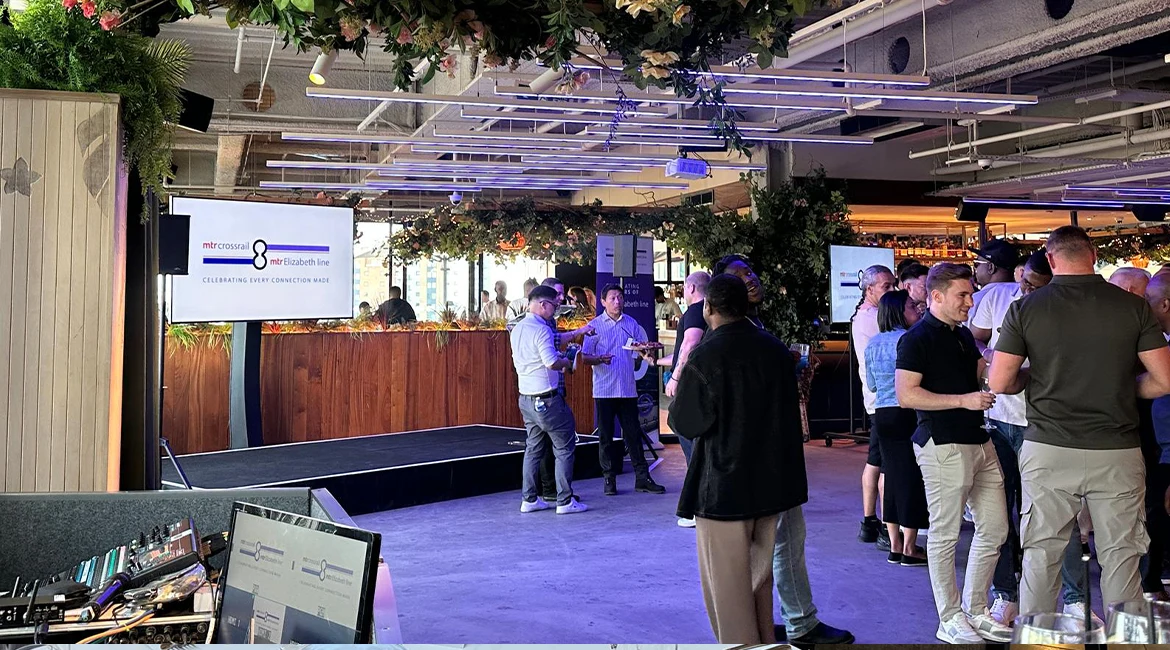
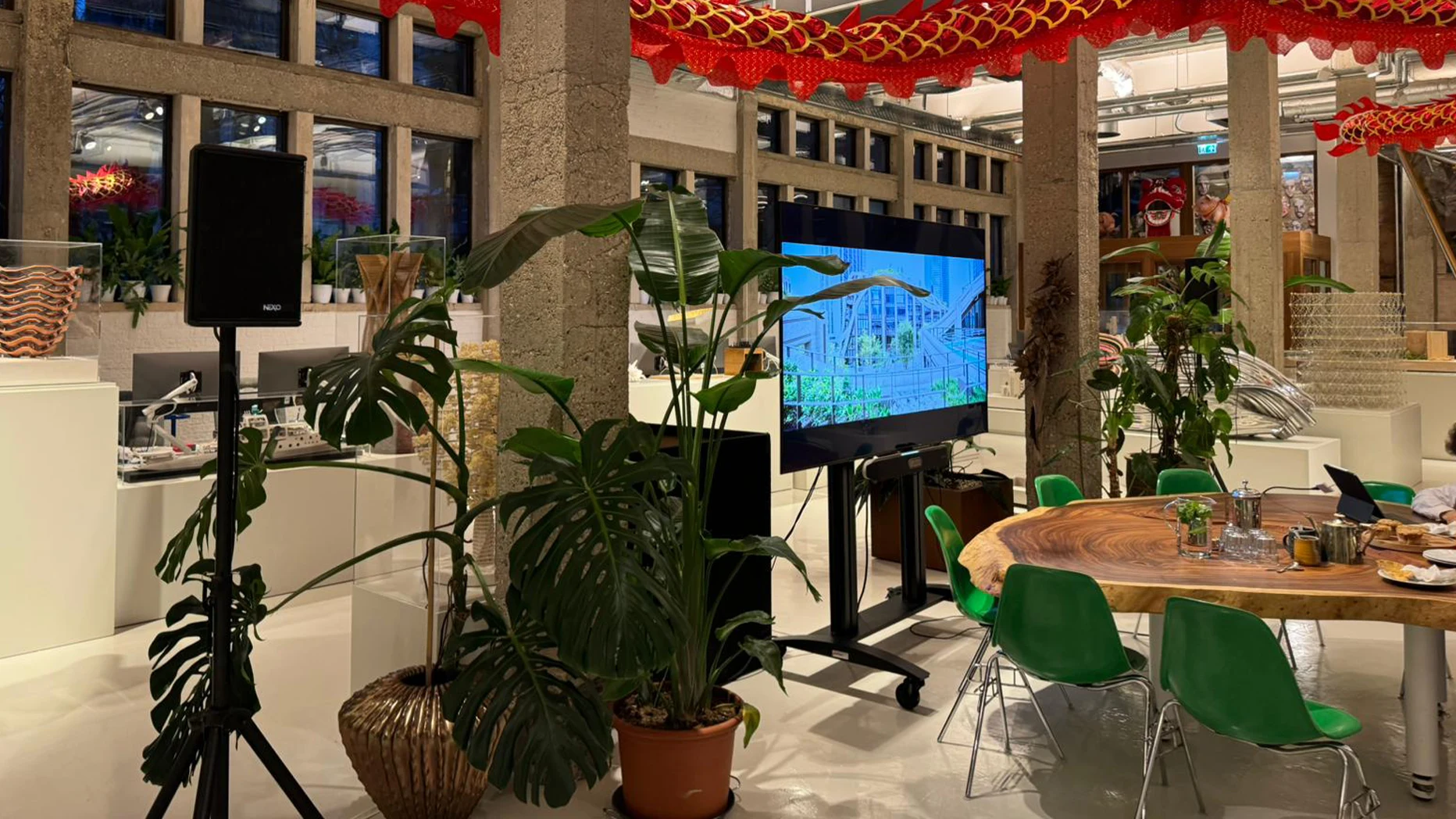
- Rent professional AV equipment: LED screens, video walls, wireless mics, speakers, and stage lighting.
- Make sure your tech is sized correctly for the stand and the venue.
- Do a full test run before the show opens each day.
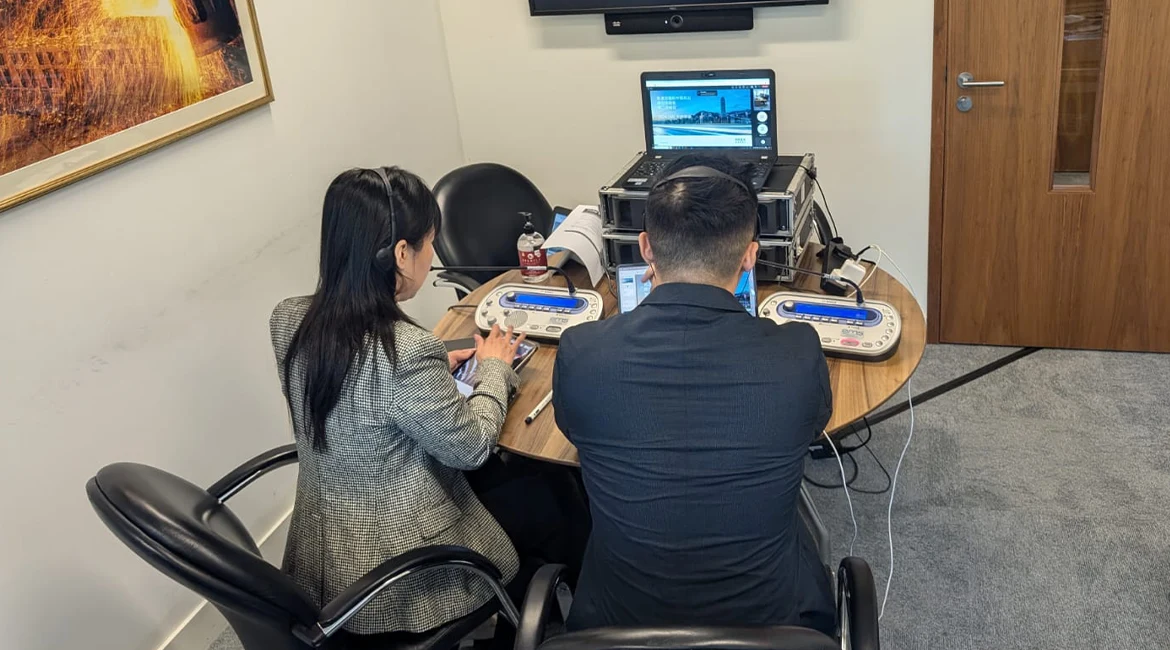
- Have a trained AV technician on-site to handle setup and any issues.
- Work with a trusted AV partner like AV Productions, who can provide exhibition AV hire, LED displays, and on-site support across the UK, so your demos actually work when people are watching.
8. Untrained or disengaged booth staff
A great stand with bored people is a waste of money.
We’ve all seen it: a group of staff huddled together, talking to each other or scrolling on their phones while visitors hover nearby. It sends one message – “we’re not that bothered”.
Your booth staff are your brand ambassadors.
How to avoid it:
- Brief your team before the show on products, pricing, key messages, and goals.
- Give everyone a clear role: greeter, demo lead, note-taker, scanner operator.
- Train them on basic stand etiquette: open body language, how to start conversations, how to qualify leads, and how to end chats politely.
- Use rotas and breaks so people stay fresh and energised.
- Make it clear that being on the stand is a priority, not an afterthought.
9. No clear call to action or lead capture
People visit your stand, you chat, they nod… and then nothing.
If you don’t have a clear next step, you’re relying on visitors to remember you later. In reality, they’ll leave with a bag full of brochures and very little memory of who said what.
How to avoid it:
- Decide on one main call to action for the stand: book a demo, sign up for a trial, schedule a follow-up call, or download a guide.
- Use lead capture tools: badge scanners, tablets, or QR codes that go to a simple form.
- Make notes on each lead (needs, timing, budget) so follow-up is tailored.
- If you offer freebies, tie them to an action, for example, scanning a badge or answering a short question.
After the show: follow-up and ROI mistakes
The show might be over, but the work isn’t.
10. Letting leads go cold
Too many teams come back to the office, dump the lead list in a shared drive, and move on. By the time anyone follows up, the momentum has gone.
How to avoid it:
- Block out time in the week after the show for follow-up. Treat it as part of the event, not an optional extra.
- Prioritise hot leads first, then warm, then “nice to have” contacts.
- Use a simple follow-up sequence: thank-you email, call, LinkedIn connection, then nurture emails if they’re not ready yet.
- Personalise messages by referencing the conversation you had on the stand.
11. Not measuring trade show ROI
If you don’t measure results, every trade show feels like a gamble.
You need to know which shows, stand sizes, and tactics actually deliver.
How to avoid it:
- Track the number of leads, qualified opportunities, and closed deals that came from each show.
- Compare your pipeline value against your full trade show cost (stand, AV, travel, etc.).
- Look at website traffic and enquiries in the days and weeks after the event.
- Hold a short post-show review with the team: what worked, what didn’t, and what to try next time.
Quick wins checklist for your next trade show exhibit
Use this checklist as a simple pre-event sanity check:
- Have we chosen the right show for our audience?
- Do we have clear goals and a realistic budget?
- Did we start planning early enough?
- Is our stand design clear, on-brand, and easy to understand in seconds?
- Have we sorted professional AV and done a tech plan?
- Are our booth staff trained and fully briefed?
- Do we have a lead capture process and clear calls to action?
- Have we planned pre-show marketing and post-show follow-up?
If you can tick most of these off, you’re already ahead of many exhibitors on the floor.
When should you bring in professional help?
DIY is great for the garden shed. It’s less great when you’ve got tens of thousands of pounds on the line at a major UK trade show.
Trying to handle stand design, lighting, sound, video, and logistics in-house can stretch your team thin. It also increases the chance of tech issues, delivery problems, and general stress.
A specialist partner can:
- Design a stand that fits your goals, budget, and space.
- Provide exhibition AV hire: LED walls, screens, sound systems, microphones, and stage lighting.
- Handle logistics, setup, and derig, so you’re not chasing cables or missing adaptors.
- Stay on-site to keep everything running during the show.
AV Productions, for example, supports UK exhibitors with trade show AV hire, exhibition Solutions, and full technical support, so your team can focus on the conversations that matter instead of fixing wires.
Make your next exhibit count
Trade shows are too expensive and too full of potential to wing it.
If you plan early, pick the right show, invest in clear design and reliable AV, train your team, and actually follow up, your trade show exhibit can do more than just look busy. It can become a serious driver of leads and revenue.
When you’re ready to take the stress out of the tech side, AV Productions can help with trade show exhibit support, AV hire, and expert on-site setup across the UK. So, your stand looks and sounds as professional as your brand.
FAQs’
How far in advance should I plan a trade show exhibit?
For most UK trade shows, start at least 2–3 months in advance. Bigger events with custom stand builds can need 4–6 months, especially if you’re booking a busy venue, building a complex booth, or relying on multiple suppliers
What’s a sensible budget for a trade show exhibit?
There’s no single number, but a useful rule is to plan for 3–5 times the cost of your stand space once you include design, AV, travel, and marketing. Always check venue rules for power, internet, and labour so you can budget for those extras early instead of being surprised on site.
Do I really need professional AV for a small stand?
If you’re only using a laptop and a small monitor, you can sometimes manage with in-house kit. However, as soon as you rely on screens, audio, lighting or video walls to tell your story in a noisy hall, professional AV hire and a technician will make a big difference to reliability and impact.
What’s the best way to capture leads on the stand?
The simpler, the better.
Use badge scanners, tablets, or QR codes that feed straight into your CRM or a spreadsheet. Ask a few qualifying questions (budget, timeline, interest level) and add quick notes so follow-up feels personal, not generic.
How do I know if a trade show was worth it?
Track:
- The number of qualified leads you collected.
- How many turned into opportunities and sales?
- The total pipeline and revenue are linked back to the show.
Compare that to your total event cost. If the numbers stack up and the show moves you closer to your wider marketing goals, it’s a keeper. If not, rethink your approach or your choice of event.