A venue doesn’t win bookings just because it looks good in photos. It wins because planners feel confident that the event will run smoothly, the guest experience will be strong, and the supplier side won’t turn into chaos at the last minute. That confidence often decides whether an enquiry becomes a confirmed date.
Strategic collaborations help build that confidence. When your venue has the right partners around it, especially the right AV partner, the buying decision becomes easier for clients. You also increase what each event is worth, because planners can say “yes” to a complete solution instead of piecing things together themselves.
In this guide, you will learn how you can get more consistent bookings and fewer delivery headaches through strategic collaborations.
Why do collaborations help a venue grow?
Most planners are under pressure. They have a deadline, a budget, and a reputation to protect. They’re not only choosing a space; they’re choosing how safe it feels to deliver the event there. which is why understanding how to find a venue for an event is such an important part of early planning.
When your venue has strong partners, you remove the uncertainty that usually slows everything down. Instead of vague promises, you can offer clear answers: what the setup will look like, how the day will run, what happens if something changes, and who is responsible for what. That makes planners more comfortable, and comfortable planners book faster.
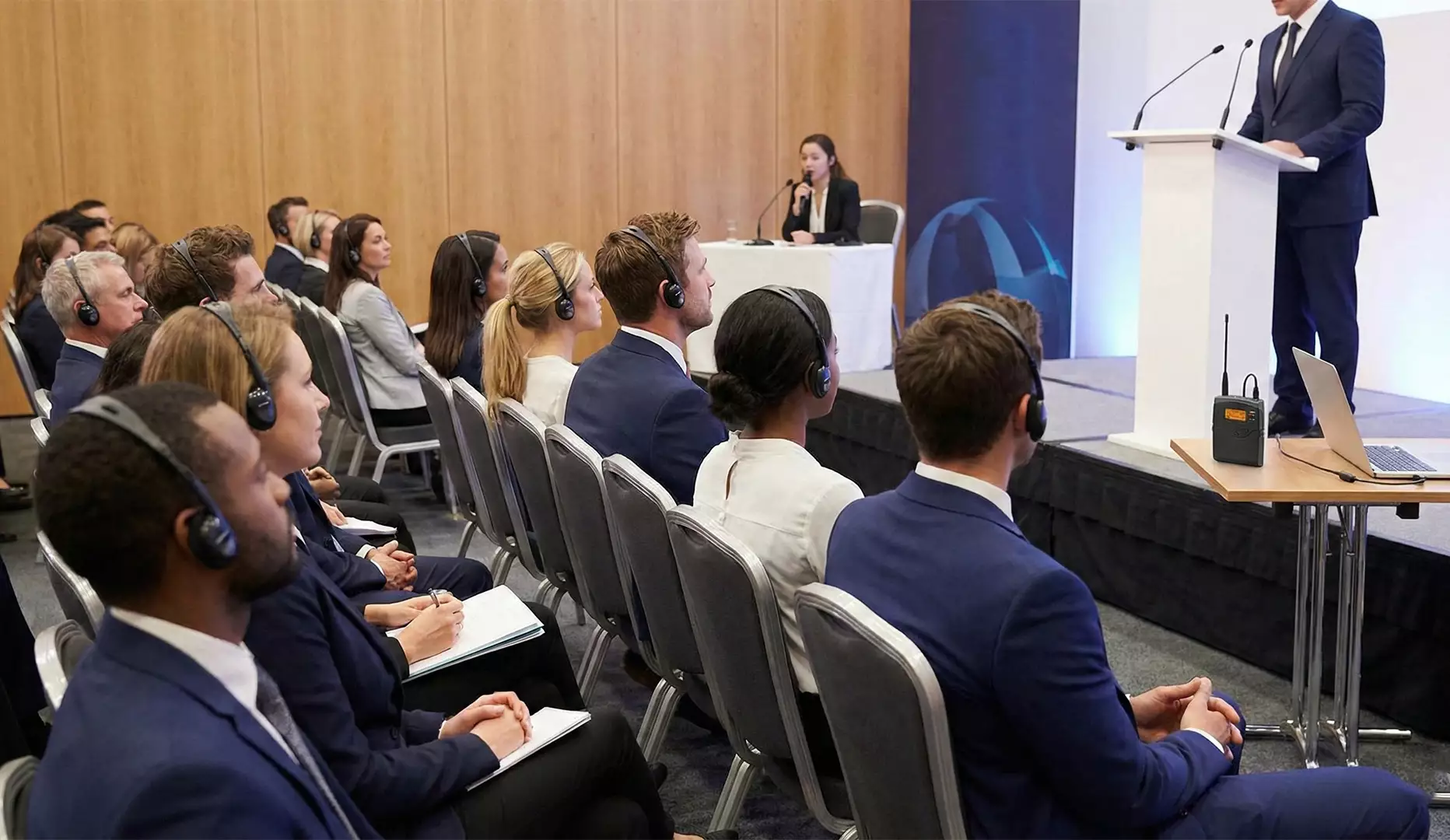
Partnerships also improve the experience on the day. Guests might never notice your supplier network, but they absolutely notice poor sound, late starts, confusing layouts, or a screen that’s too small for the room. The best collaborations quietly protect your reputation by making the event feel easy and professional.
Google’s systems are designed to surface content that genuinely helps people and shows real-world understanding, so this kind of practical detail matters both to readers and to ranking performance.
What does a “strategic” collaboration look like?
A strategic collaboration is not “a supplier we know.” It’s a working relationship that improves outcomes for your clients.
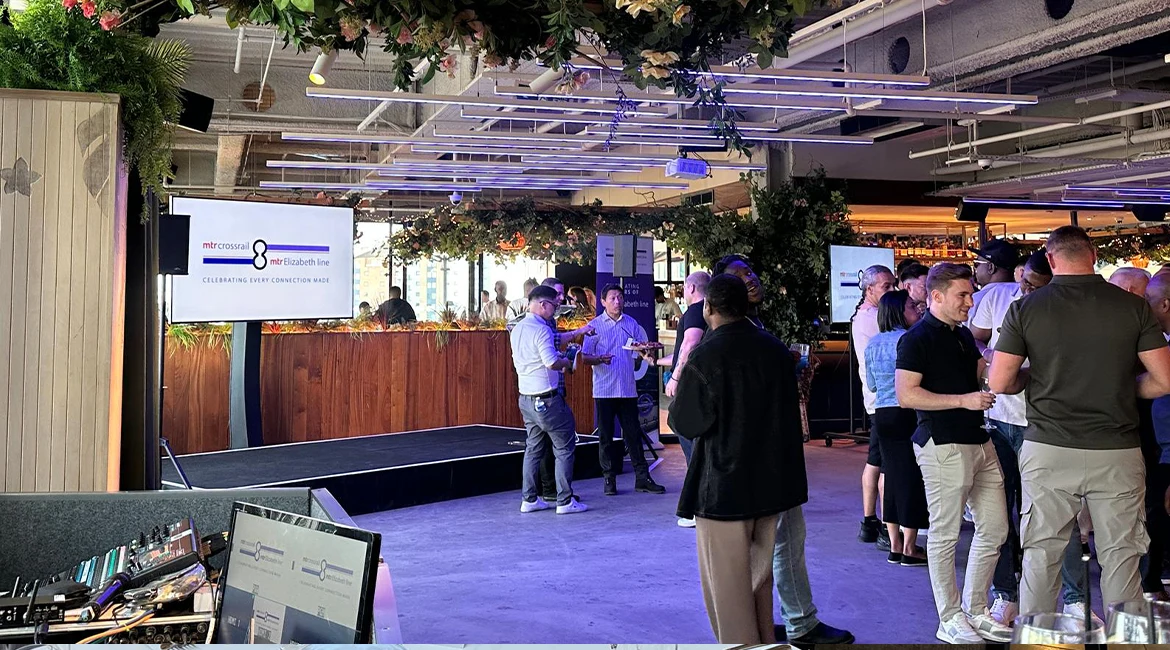
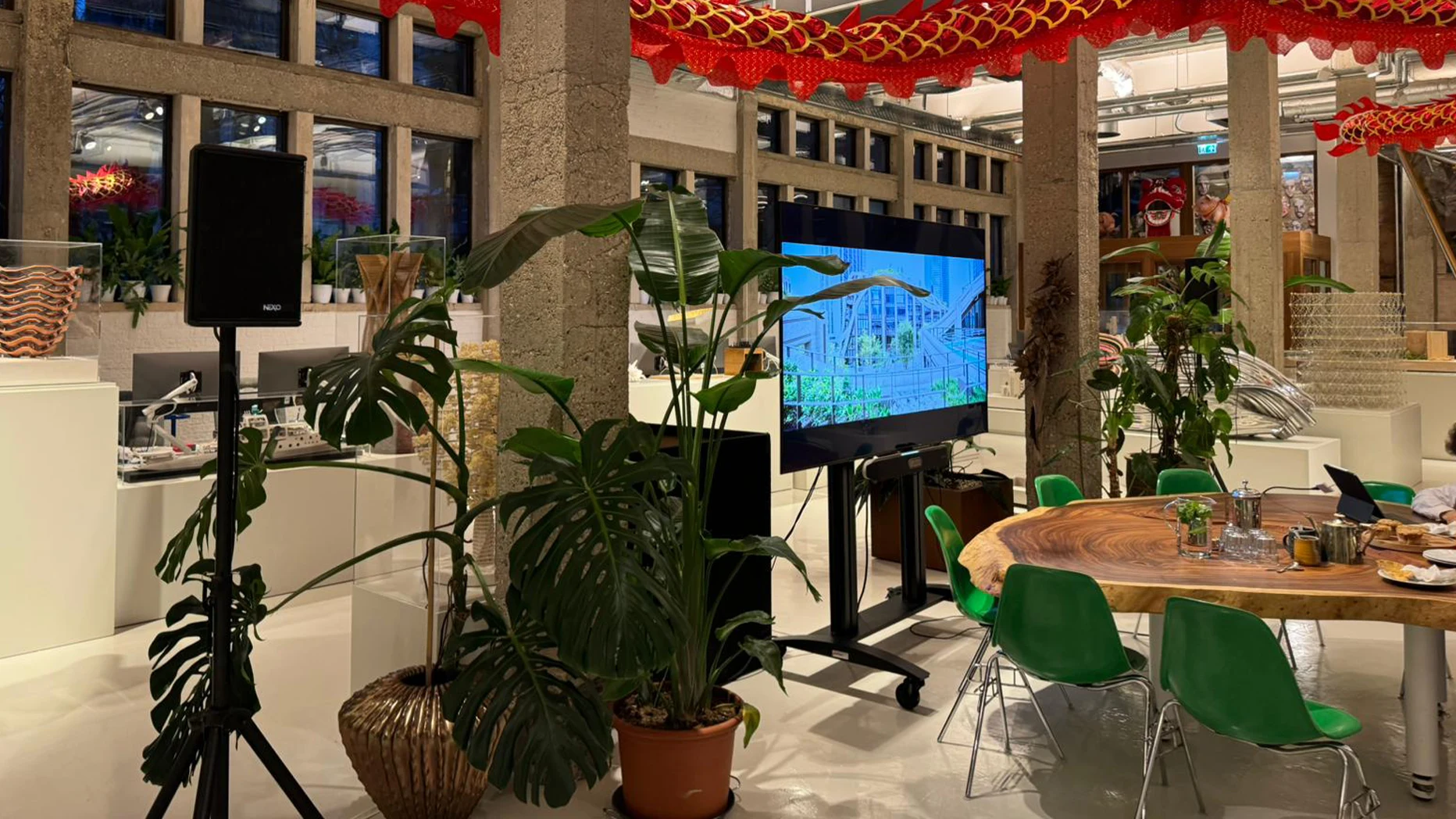
In practice, that means the partner understands your venue as deeply as your team does. They know the access points, load-in routes, power limits, sound restrictions, rigging positions, best screen placements, and the usual pain points. They also know how to communicate with your operations team, not just the client.
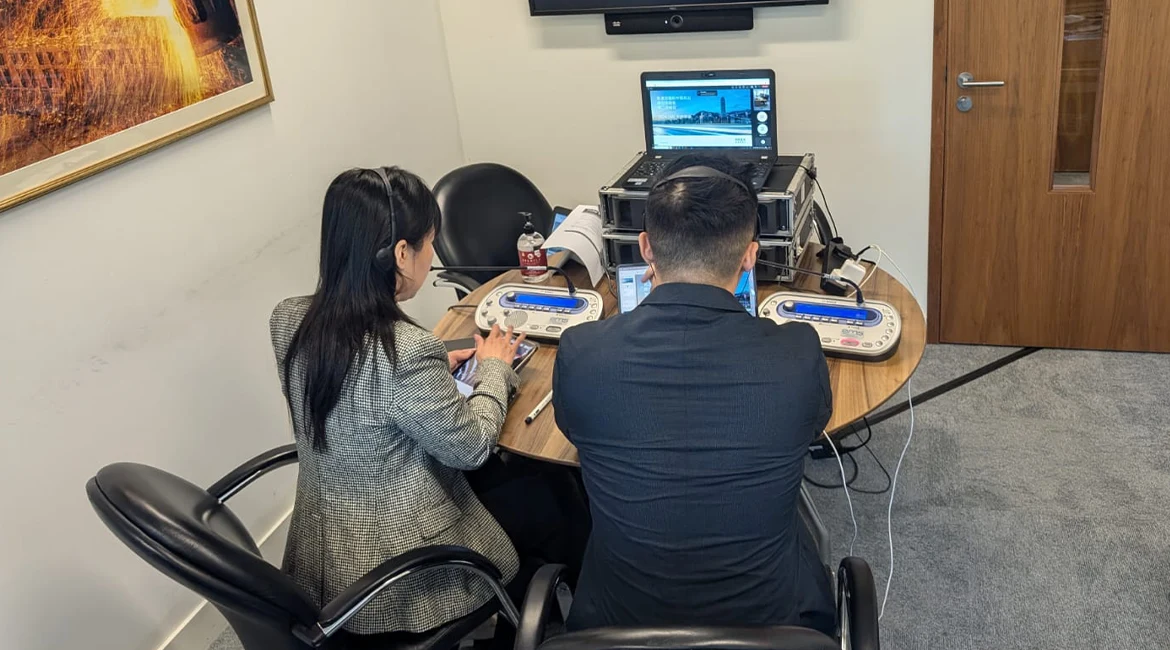
It also means the collaboration is designed around client convenience. A planner should not need ten emails to confirm whether hybrid will work, how many microphones are available, or what the running order needs to be. A good partnership reduces those questions before they become problems.
How do you choose partners that protect your reputation?
The most common mistake is choosing partners based mainly on price. A cheaper quote can look attractive until something fails, the schedule slips, or the client loses trust. Then the “saving” becomes far more expensive than the difference in cost.
A better approach is to choose partners who work like an extension of your venue team. You want people who plan properly, communicate clearly, and show up prepared.
In AV, look for signs of calm competence. Do they ask the right questions about the room and the run of show? Do they talk about backup options without being alarmist? Do they propose solutions that fit the space, rather than pushing the same setup everywhere? Do they explain what they’ll do if a remote speaker drops out or a laptop fails five minutes before doors?
Also, pay attention to how they handle responsibility. Great partners don’t play “blame ping-pong.” They document what they need, confirm what is agreed, and take ownership of their part of the event.
Insurance and safety matter too. It’s not the most exciting part of events, but it’s part of being professional. If something is damaged or an incident happens, you want a partner who is properly covered and knows how to operate safely.
What partnership model works best for venues?
The right choice depends on your venue type and your client mix.
Some venues do best with a trusted “preferred partner” approach. That gives clients flexibility, while still giving the venue confidence that recommended suppliers can deliver to a standard.
Other venues benefit from a closer relationship where the AV team effectively becomes the venue’s default production solution. This can work especially well for venues with frequent corporate work, repeat layouts, or rooms where the same technical setup appears again and again.
The key is that your model should make life easier for clients. If a partnership creates confusion or feels restrictive, it can slow decisions. If it creates clarity and removes stress, it speeds decision-making up.
What should your collaboration agreement actually achieve?
Keep your client experience consistent.
It should make it clear who owns which responsibilities, how quotes and changes are handled, and what “good service” looks like in real terms. For example: how quickly a quote is returned, how site visits are arranged, how last-minute changes are priced, and who is the escalation point on the day.
It should also protect the venue. If a partner promises something they can’t deliver, your venue pays the price in reputation. So the agreement should encourage realistic commitments, clear documentation, and proper pre-production planning.
Keep it practical. Overly complex documents don’t help anyone. A clear, workable process does.
How do you pitch a collaboration?
The best partnership pitch is not “we’ll send you leads.” It’s “together, we can make the venue easier to buy.”
When you approach a potential partner, explain the outcome you want. For example, you want to reduce tech uncertainty for clients, shorten the decision cycle, and deliver events with fewer last-minute issues. If the partner understands that your goal is client confidence and consistency, you’re more likely to attract the right kind of supplier.
It also helps to start small. One trial event, one shared package, one joint site visit. A partnership becomes strategic when it’s proven in live delivery, not when it’s announced.
How do you turn collaborations into packages clients want?
Packages work when they match the way clients think.
Most planners aren’t buying “equipment.” They’re buying outcomes like “everyone can hear clearly,” “the CEO looks professional on camera,” “the awards video plays perfectly,” or “remote attendees feel included.”
So instead of listing gear, describe what the package enables. Explain what changes between levels in a way that feels logical. For example, the difference between a basic setup and a higher package might be the jump from “a screen and microphones” to “a rehearsed show flow with confidence monitors, better lighting, and proper show calling support.”
When packages are written this way, clients can choose faster because they understand the value. That’s also helpful from an AEO perspective: the page becomes easier to skim, and the answers become easier to extract and trust.
How do you know if collaborations are working?
You’ll feel it before you measure it.
Your sales team will notice fewer long email chains about technical “what ifs.” Your ops team will notice smoother load-ins and fewer day-of surprises. Clients will repeat similar formats because they already trust the delivery.
If you want to track it more formally, focus on outcomes like enquiry-to-booking conversion, average event value, and how often clients add upgrades. Most importantly, watch the quality of feedback. When clients mention how “smooth” and “professional” the event felt, that’s partnership impact showing up in words.
A quick example
A central London venue was getting strong enquiries but losing late-stage bookings because corporate planners weren’t confident about hybrid delivery and timing. In competitive markets, particularly among luxury venues to hire in London technical clarity can often be the deciding factor.
The venue tightened its AV collaboration, created a clear technical summary of the space, and built a simple package path that planners could understand quickly.
The result wasn’t just “more AV revenue.” It was quicker decisions, fewer objections, and more repeat work because clients could trust the setup.
That is what strategic collaboration looks like: not more suppliers, but fewer unknowns.
Conclusion
If you want your venue to grow, don’t treat collaborations as an add-on. Treat them as part of your product.
When your partners improve client confidence, delivery becomes smoother, your reputation strengthens, and your venue becomes easier to choose. Start with AV because it shapes the event experience more than almost anything else, then build outward from there with partners who share your standards.
AV Productions helps venues build reliable technical partnerships that make events easier to sell and smoother to deliver, covering planning, on-site support, and scalable production (including LED screens/video walls, sound, lighting, and streaming). If you want a practical, venue-focused approach, we can start with a site visit and a clear plan.
FAQs
What is a strategic collaboration for a venue?
It’s a working relationship with trusted suppliers that makes events easier to plan and run. So, clients get faster answers, smoother delivery, and fewer last-minute surprises.
Why do venues partner with AV companies first?
Because AV affects what guests feel most: sound, screens, lighting, and often streaming or recording. If AV runs well, the whole event feels more professional.
What should I check before recommending an AV partner?
Check that they understand your venue, plan properly before the event, and have backup options. You want a team that stays calm under pressure and communicates clearly with your staff.
How do partnerships help me win more bookings?
They reduce “unknowns” for planners. When clients know the venue can deliver the full event smoothly, they decide faster and are more likely to book.
How do I stop partner issues from becoming venue issues?
Set clear expectations early: who is responsible for what, who makes decisions on the day, and how problems are escalated. Written agreements help keep delivery consistent.
What’s the biggest mistake venues make with collaborations?
Choosing partners based only on price. A cheaper supplier can cost you more in reputation if the event feels messy or unreliable.